
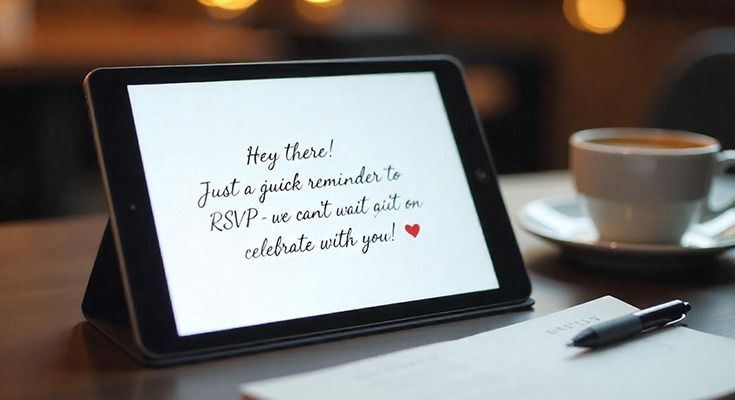
Planning an event is exciting, but waiting for RSVPs can be stressful. Guests may forget, get busy, or hesitate to commit. The challenge? Sending reminders without sounding pushy. The key is to be polite, considerate, and strategic. Using a digital RSVP card maker can simplify the process, making it easier to send invitations and track responses. This blog covers the best ways to remind guests to RSVP while keeping the process stress-free and smooth.
The Psychological Aspect of RSVP Reminders: Why Do People Delay Responding?
Understanding why some guests forget or delay responding to RSVPs can help you be more empathetic in your reminders. According to psychologists, procrastination is often rooted in a fear of commitment or uncertainty. Many guests may delay their response due to a lack of clarity on their availability, worrying that they might have to decline later.
Additionally, guests may feel overwhelmed by their busy schedules and delay making a decision, especially for non-urgent events. When you remind guests to RSVP, it can help them understand the importance of confirming attendance and alleviate this mental burden. Knowing the reasons behind the delay can guide your approach, ensuring it’s gentle yet effective.
Polite and Effective Ways to Remind Guests
Now that we have a timeline, let’s talk about how to send reminders without making guests feel pressured.
Personalized Messages
Instead of sending a generic reminder, try a personal approach. A simple message like, “Hey [Guest’s Name], we’re so excited to celebrate with you! Just checking in to see if you’ll be able to make it. Let us know when you get a chance!”This feels warm and inviting rather than demanding. When you remind guests to RSVP in a friendly, non-demanding way, they’re more likely to respond positively.
Group Reminders for Casual Events
For casual gatherings like birthday parties or brunches, a group message in a WhatsApp or Facebook group can work wonders. Something like, “Hey everyone! Just a friendly reminder to RSVP if you haven’t yet. We can’t wait to celebrate together!” keeps things lighthearted.
Use Gentle Humor
Sometimes, a little humor can make reminders feel less formal. For example:
“We’re putting together the final guest list, and we don’t want to be that host who hunts people down! If you haven’t RSVPed yet, now’s your chance!”
This makes the message fun while still prompting action.
Create a Sense of FOMO (Fear of Missing Out)
If you want to entice guests to respond, mention something exciting about the event:
“We’re finalizing the catering, and trust us—you don’t want to miss out on this amazing menu! Let us know if you’ll be there so we can save you a plate!”
Reiterate Important Details
Sometimes, guests don’t respond because they’re unsure of the event details. A reminder message that includes the date, time, and location can be helpful.
Using Digital RSVP Tools to Make It Easier
One of the best ways to avoid the RSVP struggle altogether is by using digital invitation platforms. These platforms allow guests to RSVP with just one click, making the process effortless. Plus, many of them offer automatic reminder features, which saves you time.
Benefits of Using Online RSVP Tools:
- Automatic Reminders: No need to send individual follow-ups.
- Instant Tracking: You can see who has responded in real-time.
- Easy Access for Guests: They can RSVP anytime without needing to call or email.
Popular options include an online RSVP invitation maker like 1Invites. This tool makes the entire RSVP process seamless for both hosts and guests. You can easily create online invitations, design beautiful RSVP cards, and track responses, which is far more efficient than traditional methods.
What to Do If Guests Still Don’t Respond
Even with gentle reminders, some guests might still not RSVP. Here’s how to handle it gracefully:
1. Send a Direct Message or Call
If someone hasn’t responded after multiple reminders, a direct call or message can be effective. Something like:
“Hey [Name], we’re finalizing our guest list and wanted to check-in. Will you be able to make it?”
This approach feels personal and gives them one last chance to reply.
2. Assume a ‘No’ If There’s No Response
If you’ve tried everything and still get no response, it’s okay to assume they won’t be attending. Most guests will understand that RSVPing is their responsibility.
3. Be Flexible with Last-Minute RSVPs
Some guests might RSVP at the last minute. If possible, have a little flexibility in your headcount so you’re prepared for a few unexpected attendees.
The Best Timeline for Sending RSVP Reminders
Sending reminders at the right time makes all the difference. You don’t want to be too aggressive, but you also don’t want to wait until it’s too late. Here’s an ideal timeline:
- First Reminder: One to two weeks before the RSVP deadline. A gentle nudge to ensure the invitation was received.
- Second Reminder: A few days before the deadline. A friendly check-in to encourage those who haven’t responded yet.
- Final Follow-Up: A week after the deadline for non-responders. This should be a direct but warm message asking for a final headcount.
By following this timeline, you’ll maximize your RSVP responses while keeping things stress-free. If you want a more detailed guide on managing RSVP responses for events, there are plenty of tools that can simplify this process. The key is to remind guests to RSVP at the right time without making them feel overwhelmed.
How to Make the Perfect RSVP Reminder Message (With Examples)
The way you remind guests to RSVP matters. It’s important to be clear, polite, and considerate in your communication. Here are a few examples of different tones:
- Friendly Reminder (Casual Event):
“Hey [Name], hope you’re doing well! Just wanted to check in and see if you’re able to join us for [Event Name] on [Date]. We’d love to have you with us! Please let me know by [RSVP Deadline]. Thanks so much!” - Formal Reminder (Wedding or Business Event):
“Dear [Name], I hope this message finds you well. We’re looking forward to seeing you at [Event Name] on [Date]. Kindly confirm your attendance by [RSVP Deadline]. Your response will help us finalize arrangements. Warm regards, [Your Name].” - Humorous Reminder (Fun Event):
“Hey [Name], time to make a decision! We’re counting on you to let us know if you’ll be attending [Event Name] on [Date]. We’ll save you a seat and maybe even a piece of cake – but only if you RSVP!”
Personalizing the message can also make a huge difference. When possible, use their name and refer to specific event details that will engage their interest.
The Impact of RSVP Reminders on Event Planning Costs
RSVPs play a crucial role in managing the logistics and costs of an event. Accurate attendance numbers allow you to allocate resources appropriately, especially for catering and seating arrangements. Without RSVPs, you risk over-ordering food, leading to wasted resources, or under-ordering, which could leave guests disappointed.
For example, an event planner might explain that food costs can account for up to 50% of the total event budget. That’s why precise headcounts are essential for ensuring that the event runs smoothly without unnecessary overspending.
Moreover, knowing exactly how many people are attending helps you make logistical decisions, such as arranging enough chairs, organizing parking, and providing adequate space. If you wait until the last minute to finalize these details, the process becomes more stressful, and you may incur extra charges for last-minute changes.
Real-Life Success Stories: How Hosts Got 100% RSVP Responses
Real-life success stories add an element of trustworthiness to your blog. Take, for instance, an event planner who shared that their meticulous, well-timed RSVP reminders led to a 100% response rate for a wedding. They highlighted the importance of sending a first reminder a month before the event, a second reminder two weeks before, and a final check-in a few days before the RSVP deadline.
In another example, a birthday party host used humor and personalization in their reminders, which led to a 95% RSVP rate for their event. Guests appreciated the friendly tone, which encouraged them to respond on time.
These stories show that the combination of timely reminders and a polite approach can lead to excellent results, reinforcing the importance of strategy when requesting RSVPs.
Conclusion
Reminding guests to RSVP doesn’t have to be awkward or stressful. By understanding why people forget, following a structured reminder timeline, and using friendly, personalized messages, you can encourage responses without feeling pushy. Digital RSVP tools can also make the process easier and more efficient. And if all else fails, a direct message or phone call can help you get those final responses. At the end of the day, the goal is to create a stress-free and enjoyable event for both you and your guests. So keep it light, stay positive, and look forward to celebrating with those who RSVP on time!