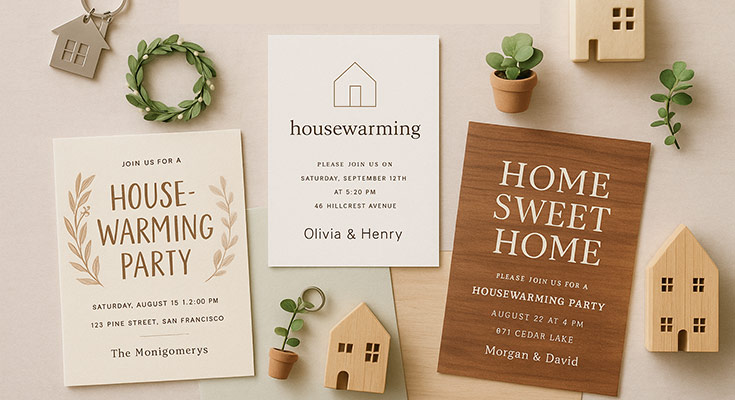
The world of housewarming invitation trends has undergone a remarkable transformation as we step into 2026. Gone are the days when a simple cardstock invitation with basic text sufficed to announce your new home celebration. Today’s homeowners are embracing innovative approaches that blend sustainability, technology, and personalization to create memorable invitation experiences that reflect their unique style and values.
Modern housewarming invitations have evolved into sophisticated communication tools that do more than just convey event details; they set the tone for your celebration, showcase your personality, and even provide interactive experiences for your guests. Whether you’re planning an intimate gathering or a grand celebration, understanding these emerging trends can help you create housewarming invitation templates that truly stand out in an increasingly digital world.
The 2026 landscape is particularly exciting because it represents a convergence of environmental consciousness, technological advancement, and artistic creativity. From digital housewarming invitations featuring augmented reality elements to eco-friendly housewarming invitations made from plantable seed paper, the options available today cater to every taste, budget, and value system. This comprehensive guide will explore the most significant trends shaping the industry, providing you with actionable insights and practical examples to inspire your invitation design journey.
What Are the Most Popular Digital Housewarming Invitation Trends This Year?
Digital housewarming invitations have revolutionized how we approach event communication, offering unprecedented levels of interactivity and personalization. The 2026 digital landscape is characterized by immersive experiences that engage recipients long before they arrive at your celebration.
Ready to create your own digital masterpiece? Learn the fundamentals with our detailed guide on how to make housewarming invitations that incorporate these cutting-edge digital elements.
Interactive Video Invitations
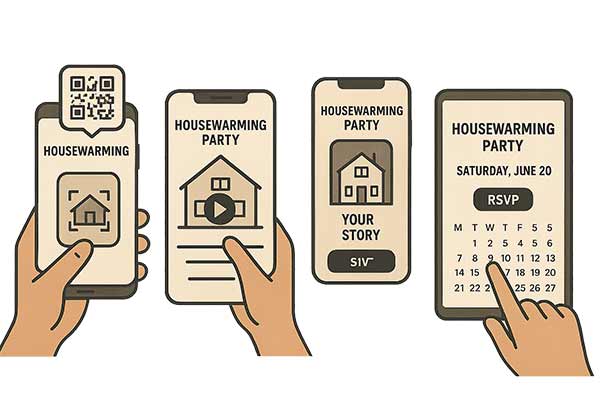
Interactive video invitations represent the pinnacle of digital innovation in 2026. These aren’t simple recorded messages—they’re sophisticated multimedia experiences that allow recipients to explore different aspects of your new home through clickable hotspots and branching storylines. Modern platforms enable homeowners to create personalized home tour snippets that showcase their favorite rooms, architectural features, or renovation highlights.
The most successful interactive video invitations incorporate elements of storytelling, taking viewers on a journey from your house-hunting experience to your move-in day. Advanced features include 360-degree room views, time-lapse renovation footage, and even virtual reality compatibility for guests with VR headsets. These invitations typically see engagement rates 300% higher than traditional static designs, with recipients spending an average of 3-5 minutes exploring the content.
Augmented Reality Elements
Augmented reality (AR) has moved from novelty to necessity in premium housewarming invitation templates. Recipients can now scan QR codes to reveal 3D home models, virtual furniture arrangements, or animated house illustrations that appear to float above their phones or tablets. This technology is particularly popular among tech-savvy millennials and Gen Z homeowners who want to showcase their digital literacy alongside their new living spaces.
The most innovative AR invitations allow guests to virtually “walk through” your home before the event, creating anticipation and conversation starters. Some platforms even enable guests to leave virtual messages or gift suggestions that appear when you scan specific areas of your home, creating a lasting digital guest book experience.
Social Media Story Templates
Recognition that modern communication happens across multiple platforms has led to the development of modern housewarming invitations specifically designed for social media integration. Instagram and TikTok-ready formats ensure your invitation looks perfect, whether it’s shared as a post, story, or reel.
These templates typically feature vertical orientations, bold typography optimized for mobile viewing, and built-in animation elements that catch attention in busy social feeds. The most successful designs incorporate trending hashtags, location tags, and shareable elements that encourage viral spread among your social networks.
Smart Calendar Integration
The frustration of manually entering event details into digital calendars has become a thing of the past with smart integration features. Modern customized housewarming invitation cards include automatic RSVP systems that sync directly with recipients’ calendars, reducing no-shows and streamlining event planning.
Advanced systems offer reminders, weather updates, and even suggested gift ideas based on recipient preferences and your registry information. Some platforms provide real-time attendance tracking, dietary restriction collection, and parking coordination, turning a simple invitation into a comprehensive event management system.
Learn more: Digital Invitation Maker Complete Guide to Creating Perfect E-Invites
How Are Sustainable and Eco-Friendly Designs Shaping Modern Invitations?
Environmental consciousness has become a defining characteristic of 2026 housewarming invitation trends, with sustainability influencing every aspect of invitation design and production. This shift reflects broader consumer values and represents a significant departure from traditional paper-heavy approaches.
Plantable Seed Paper Invitations
Plantable seed paper invitations have evolved from novelty items to sophisticated design solutions that merge sustainability with aesthetic appeal. These biodegradable materials, embedded with flower or herb seeds, transform into living reminders of your celebration weeks after the event. The 2026 iterations feature improved paper quality, more diverse seed options, and enhanced printing capabilities that rival traditional cardstock.
Modern seed paper invitations can be customized with native plants specific to your region, creating mini gardens that support local ecosystems. Popular seed varieties include wildflowers for spring housewarmings, herbs like basil and cilantro for cooking enthusiasts, and seasonal blooms that coordinate with your event timing. The psychological impact of giving guests something that grows and thrives creates lasting positive associations with your celebration.
Quality improvements in seed paper production have addressed previous concerns about durability and print quality. Current materials maintain crisp text and vibrant colors while ensuring optimal germination rates. Many couples report that guests frequently share photos of their growing plants on social media, extending the celebration’s impact far beyond the original event date.
Digital-First Hybrid Approaches
The most innovative eco-friendly housewarming invitations embrace hybrid approaches that maximize sustainability while maintaining tactile appeal. These designs typically feature minimal physical components—perhaps a small card with essential details—paired with QR codes that unlock rich digital experiences.
This approach reduces paper consumption by up to 90% compared to traditional invitation suites while providing unlimited space for photos, maps, gift registries, and interactive elements. The physical component often serves as a keepsake, featuring premium sustainable materials like bamboo, cork, or recycled metals that recipients can repurpose as bookmarks, coasters, or decorative elements.
The digital components often include virtual home tours, photo galleries documenting your home-buying journey, and interactive timelines that build excitement leading up to the event. Some designs incorporate countdown timers, weather forecasts, and real-time updates that keep guests engaged throughout the invitation period.
Recycled Material Aesthetics
Recycled materials have transcended their utilitarian origins to become sought-after design elements that convey both environmental responsibility and sophisticated taste. Kraft paper, recycled cardboard, and upcycled fabric elements create texture-rich invitations that feel authentic and intentional.
The 2026 approach to recycled materials emphasizes storytelling—many invitations now include information about the source materials, creating connections between your environmental values and your celebration. For example, invitations made from paper recycled from your previous apartment’s lease documents or packaging from your move create meaningful narrative elements that resonate with environmentally conscious guests.
Advanced printing techniques on recycled materials have eliminated the rough, unfinished appearance that previously characterized eco-friendly options. Modern recycled paper invitations rival premium cardstock in terms of print quality while offering unique textures and visual interest that mass-produced materials cannot match.
Carbon-Neutral Printing Options
Carbon-neutral printing partnerships have become standard offerings from leading invitation providers, allowing environmentally conscious couples to eliminate the carbon footprint associated with their celebration announcements. These services typically include carbon offset programs, renewable energy-powered production facilities, and sustainable supply chain management.
Many providers now offer transparent carbon footprint calculations for different invitation options, empowering customers to make informed decisions about their environmental impact. Some services even plant trees or support renewable energy projects equivalent to the carbon footprint of your invitation production, providing certificates that can be shared with environmentally conscious guests.
Which Minimalist Design Elements Are Dominating 2026 Invitations?
Minimalist housewarming designs have reached new levels of sophistication in 2026, moving beyond simple aesthetics to embrace functionality and intentional communication. This trend reflects broader cultural shifts toward mindful consumption and authentic expression.
Ultra-Clean Typography
Typography has emerged as the hero element in minimalist housewarming invitation templates, with sans-serif fonts and generous white space creating a powerful visual impact through restraint rather than excess. The most successful designs feature custom typography that reflects the homeowner’s personality while maintaining exceptional readability across digital and print formats.
Contemporary minimalist invitations often feature just two or three carefully selected fonts—typically a clean sans-serif for headers, a complementary serif for body text, and occasionally a script font for accent elements. The key is creating hierarchy and visual interest through size, weight, and positioning rather than decorative elements or color variations.
Typography selection increasingly considers the psychological impact of different fonts. Geometric sans-serifs convey modernity and precision, perfect for contemporary home designs, while humanist fonts add warmth and approachability for family-focused celebrations. Many designers now recommend testing font combinations across different devices and lighting conditions to ensure optimal legibility for all guests.
Master these minimalist principles with our complete housewarming invitation design guide, which covers typography selection, color psychology, and layout optimization.
Monochromatic Color Schemes
Single-color palettes and tonal variations have become the hallmark of sophisticated minimalist design in 2026. These approaches create visual cohesion while allowing subtle depth through shading, texture, and material variations. The most effective monochromatic schemes often incorporate three to five tones of the same color family, creating interest without complexity.
Popular monochromatic approaches include warm grays with architectural precision, deep blues that convey stability and trust, and sage greens that reflect environmental consciousness. The key to successful monochromatic design lies in material selection and printing techniques that add visual interest through texture rather than color contrast.
Advanced printing techniques like letterpress, foil stamping, and spot UV coating enable designers to create dimensional effects within monochromatic schemes. These tactile elements add luxury and sophistication while maintaining the clean aesthetic that defines minimalist design philosophy.
Geometric Line Art
Simple house silhouettes and architectural elements have evolved into sophisticated graphic systems that convey meaning through form rather than decoration. Contemporary geometric line art often reflects the actual architectural style of the featured home, creating personal connections while maintaining universal appeal.
The most successful geometric elements balance recognizability with abstraction—clear enough to understand as house-related imagery, abstract enough to feel contemporary and artistic. Popular approaches include single-line drawings that create complete house forms without lifting the pen, modular geometric systems that can be recombined for different applications, and architectural blueprints simplified to essential elements.
These geometric elements often serve functional purposes beyond decoration, sometimes incorporating QR codes within the line work or creating modular systems that can be adapted for thank-you cards, social media graphics, and other event-related materials.
Negative Space Utilization
Strategic emptiness has become a powerful design tool, with contemporary minimalist invitations using white space to create emphasis, guide attention, and convey sophistication. The most effective designs treat negative space as an active element rather than empty area, using it to create balance and highlight important information.
Advanced negative space techniques include asymmetrical layouts that create dynamic tension, carefully calculated margins that establish visual hierarchy, and strategic spacing that improves readability while conveying luxury and exclusivity. The psychological impact of generous white space suggests premium quality and careful attention to detail.
Some designers now create negative space illustrations, where the absence of elements creates recognizable shapes and forms. This technique is particularly effective for house-related imagery, where the outline of a home emerges from carefully positioned text and graphic elements.
Learn more: How to Make an Invitation Card: Step-by-Step Guide.
What Personalization Features Are Trending in Custom Invitation Cards?
Customized housewarming invitation cards have reached unprecedented levels of personalization in 2026, transforming from generic templates to deeply personal storytelling tools that reflect individual journeys, relationships, and values.
Photo Collage Integration
Before-and-after home transformation imagery has become a powerful storytelling device that creates emotional connections with recipients while showcasing the homeowner’s journey. Modern photo collage integration goes beyond simple image placement to create cohesive visual narratives that build excitement and anticipation for the celebration.
Sophisticated photo integration techniques include timeline layouts that document the home-buying process, room-by-room transformation galleries, and lifestyle imagery that shows how the space will be used. Advanced editing services can color-correct and style-match photos to create professional-quality collages that rival magazine layouts.
The most engaging photo collages incorporate behind-the-scenes moments—the moment you received the keys, renovation challenges overcome, or family members helping with the move. These authentic moments create emotional resonance that formal house photos cannot achieve, fostering deeper connections with recipients.
Many platforms now offer AI-powered photo curation that analyzes uploaded images for composition, lighting, and emotional impact, suggesting optimal combinations for maximum visual appeal. These systems can automatically create multiple layout options, allowing homeowners to choose designs that best reflect their personal aesthetic preferences.
Learn more: Best Photo Invitation Makers for Virtual Celebrations
Custom Illustration Services
Hand-drawn house portraits and family caricatures have evolved from novelty items to sophisticated artistic elements that add personality and charm to modern invitations. Professional illustrators now work directly with homeowners to create custom artwork that captures not just the physical appearance of their homes but the emotional significance of their spaces.
Contemporary custom illustrations often incorporate lifestyle elements—showing family members in their favorite home spaces, pets in their preferred spots, or seasonal elements that reflect the homeowner’s interests and values. These personalized touches create invitation keepsakes that recipients often frame or save long after the event.
Digital illustration techniques enable rapid customization and revision, allowing illustrators to create multiple style options and incorporate feedback quickly. Popular styles include watercolor techniques that add warmth and intimacy, line drawings that feel contemporary and clean, and mixed-media approaches that combine photography with illustrated elements.
Some services now offer modular illustration systems where basic house illustrations can be customized with different architectural details, landscaping elements, and family portraits, creating unique artwork while maintaining cost-effectiveness for budget-conscious homeowners.
Personalized Color Palettes
Matching invitation color schemes to home interior design has become a sophisticated way to create cohesion between the invitation experience and the actual celebration space. Professional color matching services now use photos of your interior design to create custom color palettes that reflect your personal style and home aesthetic.
Advanced color matching goes beyond simple coordination to consider psychological impact, cultural significance, and seasonal appropriateness. For example, warm earth tones might reflect a cozy, family-focused celebration, while bold jewel tones suggest a more formal, sophisticated gathering.
Some platforms offer color personality assessments that recommend palettes based on homeowner preferences, lifestyle factors, and celebration goals. These systems consider factors like guest demographics, event timing, and venue characteristics to suggest color schemes that enhance the overall event experience.
Professional color consultation services can create comprehensive color stories that extend beyond invitations to include table settings, floral arrangements, and décor elements, ensuring visual consistency throughout your celebration.
Variable Data Printing
Individual guest name integration and personalized messages have transformed mass invitation production into intimate, personal communications that make each recipient feel individually valued and appreciated. Modern variable data printing enables cost-effective personalization at scale without sacrificing quality or design integrity.
Advanced personalization techniques include addressing guests by their preferred names, incorporating shared memories or inside jokes, and customizing messaging based on relationship type—family members might receive different content than work colleagues or neighbors. These personal touches significantly increase engagement rates and RSVP response times.
Geographic personalization has become increasingly sophisticated, with invitations automatically adjusting travel information, accommodation suggestions, and local attraction recommendations based on each recipient’s location. This functionality is particularly valuable for celebrations with guests traveling from multiple locations.
Some systems now incorporate social media data (with permission) to personalize invitations based on recipients’ interests, recent life events, or shared connections, creating highly relevant and engaging communications that feel authentically personal rather than automated.
How Are Cultural and Religious Themes Being Modernized in Invitation Design?
Cultural and religious traditions are experiencing a renaissance in 2026 invitation design, with contemporary approaches that honor heritage while embracing modern aesthetics and communication methods.
Contemporary Grihapravesh Designs
Modern interpretations of traditional Indian housewarming ceremonies blend ancient symbolism with contemporary design sensibilities, creating invitations that appeal to diverse, multicultural audiences while maintaining cultural authenticity. Contemporary griha pravesh invitation templates incorporate traditional elements like Om symbols, lotus motifs, and Sanskrit text within clean, modern layouts.
The most successful modern Griha Pravesh designs balance traditional requirements—such as auspicious timing information, ritual details, and appropriate blessing language—with contemporary functionality like QR codes for ceremony instructions, digital prasad distribution lists, and virtual participation options for distant family members.
Color palettes have evolved beyond traditional reds and golds to include sophisticated combinations like deep maroon with rose gold, saffron with cream, and burgundy with copper accents. These updated palettes feel fresh and contemporary while maintaining cultural significance and symbolic meaning.
Typography selection has become increasingly sophisticated, with designers pairing traditional Devanagari script with modern sans-serif fonts, creating visual harmony between cultural elements and contemporary communication styles. Professional calligraphy services now offer custom Sanskrit verses rendered in contemporary typographic styles.

Interfaith Celebration Formats
Inclusive design approaches accommodate couples and families from different religious backgrounds, creating invitations that honor multiple traditions without compromising individual beliefs or practices. These designs often feature modular elements that can highlight different cultural aspects while maintaining visual cohesion.
Successful interfaith invitations typically employ universal symbols—homes, families, sharing meals—that transcend specific religious traditions while incorporating subtle elements that acknowledge different backgrounds. Color palettes often draw from multiple traditions, creating new combinations that feel intentionally inclusive rather than confused or conflicted.
Language considerations have become increasingly important, with many interfaith invitations incorporating multiple languages in harmonious layouts that give equal visual weight to different cultural elements. Professional translation services ensure cultural and religious terminology is accurately represented across different languages.
Some platforms now offer interfaith consultation services that help couples navigate cultural sensitivities while creating invitations that authentically represent their unique family situations and celebration plans.
Cultural Fusion Aesthetics
Blending traditional motifs with contemporary layouts has created entirely new aesthetic categories that appeal to multicultural families and globally minded individuals. These approaches honor cultural heritage while embracing contemporary design principles and modern communication methods.
Popular fusion approaches include incorporating traditional patterns as subtle background elements, using cultural color palettes in contemporary geometric designs, and adapting traditional art styles to modern illustration techniques. The key is achieving a balance between cultural authenticity and contemporary appeal.
Advanced fusion designs often tell cultural stories through visual progression—perhaps moving from traditional elements at the top of the invitation to contemporary elements at the bottom, suggesting the evolution from heritage to modern life while honoring both aspects.
Some designers specialize in creating new cultural fusion vocabularies, developing signature approaches that can be applied to different cultural combinations while maintaining consistency and sophistication.
Multi-Language Template Options
Bilingual and multilingual invitation formats have become increasingly sophisticated, moving beyond simple translation to consider cultural communication styles, reading patterns, and aesthetic preferences associated with different languages and writing systems.
Advanced multilingual design considers how different languages affect visual balance, with designers creating layouts that adapt to different text lengths, reading directions, and typographic requirements. This is particularly important when combining languages like English and Arabic, which have different reading directions, or English and Chinese, which have different character densities.
Cultural consultation services help ensure that multilingual invitations appropriately represent different cultural approaches to invitation etiquette, gift-giving traditions, and celebration customs. This expertise prevents cultural misunderstandings while creating inclusive, welcoming communications.
Some platforms offer automated multilingual layout systems that can adapt invitation designs to different language combinations while maintaining design integrity and visual appeal across all versions.

What Interactive and Engagement Features Are Guests Expecting?
Guest expectations for interactive housewarming invites have evolved dramatically, with recipients now expecting digital experiences that rival professional event management platforms in terms of functionality and user experience.
RSVP with Menu Preferences
Integrated dietary restriction collection and menu preference systems have transformed simple RSVP processes into sophisticated guest management tools that improve both host planning and guest experience. Modern RSVP systems go beyond basic attendance confirmation to gather detailed information that enables personalized hospitality. Modern RSVP invitation templates now include embedded forms that streamline the entire response collection process.
Advanced RSVP platforms automatically compile guest dietary information into organized reports for caterers, create seating arrangements based on dietary needs and social connections, and even generate shopping lists for hosts who prefer to cook themselves. These systems significantly reduce planning stress while ensuring all guests feel welcomed and accommodated.
Interactive menu preview systems allow guests to see planned food options, submit special requests, and even vote on preferred menu items for hosts who want to incorporate guest preferences into their planning. This level of engagement creates anticipation while ensuring the final menu appeals to the majority of attendees.
Some platforms now integrate with grocery delivery services, allowing hosts to automatically order ingredients based on confirmed guest counts and dietary requirements, streamlining the entire meal planning and preparation process.
Gift Registry QR Codes
Direct links to housewarming wish lists have evolved from simple convenience features to sophisticated gift coordination systems that prevent duplicate purchases while maximizing gift utility for new homeowners. Modern registry integration creates seamless experiences that benefit both gift-givers and recipients.
Advanced registry systems track gift purchases in real-time, automatically updating availability and suggesting alternative options when popular items are claimed. Some platforms offer gift pooling features that allow multiple guests to contribute to higher-priced items, making expensive home improvement gifts more accessible to all budget levels.
Personalized gift recommendations based on home style, family lifestyle, and already-owned items help guests choose meaningful presents that will genuinely enhance the homeowners’ lives. AI-powered recommendation engines analyze registry patterns and home photos to suggest gifts that complement existing décor and lifestyle preferences.
Registry analytics provide hosts with insights into gift-giving patterns, helping them understand guest preferences and plan appropriate thank-you acknowledgments. This data also helps optimize future registry decisions for anniversaries or other celebrations.
Virtual House Tour Links
Pre-party home exploration opportunities have become expected features that build excitement while helping guests prepare for the celebration. Professional virtual tour creation has become more accessible, with smartphone apps enabling high-quality 360-degree room captures that rival expensive professional services.
Interactive virtual tours often include hotspots that provide decorating stories, renovation details, or family history associated with different rooms and spaces. These narrative elements create emotional connections that enhance the in-person experience when guests finally visit.
Some virtual tours incorporate gamification elements—hidden Easter eggs, trivia questions about the home, or photo scavenger hunts that encourage exploration and engagement. These features are particularly popular with families who have children attending the celebration.
Advanced tour platforms offer accessibility features like audio descriptions, text-to-speech functionality, and keyboard navigation options that ensure all guests can participate regardless of physical limitations or technical comfort levels.
Social Media Hashtag Integration
Branded event hashtags and photo sharing prompts have evolved into comprehensive social media strategies that extend celebration impact far beyond the actual event day. Professional hashtag development considers searchability, uniqueness, and memorability while reflecting the homeowners’ personality and celebration theme.
Hashtag campaigns often include pre-event content suggestions, day-of-event photo prompts, and post-event sharing encouragement that keeps the celebration alive in social media feeds for weeks following the actual event. This extended engagement helps strengthen relationships and create lasting memories.
Social media integration platforms can automatically compile guest photos into digital albums, create time-lapse videos showing the progression of the celebration, and even generate thank-you content that hosts can share to acknowledge guest participation and contributions.
Advanced social media strategies include influencer partnerships for couples with large social followings, professional photography coordination that creates shareable content, and social media contests that encourage creative guest participation and engagement.
Which Color Trends and Palettes Are Defining 2026 Housewarming Aesthetics?
Color psychology and aesthetic preferences have shifted significantly in 2026, with housewarming invitation trends reflecting broader cultural movements toward authenticity, environmental consciousness, and emotional well-being.
Warm Earth Tones
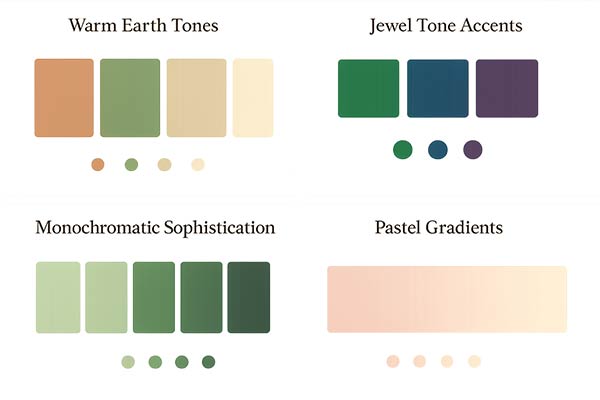
Terracotta, sage green, and warm beige combinations have emerged as the dominant palette family for 2026, reflecting increased connection to nature and desire for grounding, stability, and authentic experiences. These colors create psychological comfort while conveying sophistication and timeless appeal.
The popularity of warm earth tones reflects broader cultural shifts toward sustainable living, natural materials, and authentic experiences. These colors photograph beautifully in natural lighting, making them ideal for social media sharing while creating calming, welcoming atmospheres that encourage relaxation and genuine connection.
Advanced color theory applications create sophisticated earth tone combinations that avoid the monotony sometimes associated with neutral palettes. Successful combinations might include warm terracotta as a primary color, sage green for accent elements, and cream for text and background areas, creating depth and visual interest while maintaining cohesive warmth.
Professional color matching services now offer earth tone palette development that considers factors like home architectural style, landscaping colors, and seasonal timing to create personalized color stories that feel intentional and harmonious across all celebration elements.
Jewel Tone Accents
Emerald, sapphire, and amethyst accent colors provide sophisticated contrast elements that add luxury and depth to invitation designs without overwhelming the overall aesthetic. These rich, saturated colors work particularly well as accent elements against neutral backgrounds or within metallic foil applications.
Jewel tones reflect desires for luxury and celebration while maintaining sophistication and timeless appeal. Unlike trendy neon or pastel colors that may feel dated quickly, jewel tones have historical precedent and cultural significance that suggests lasting value and considered taste.
Strategic jewel tone application often focuses on key design elements—perhaps emerald green for house illustrations, sapphire blue for important text elements, or amethyst purple for decorative borders and accent graphics. The key is restraint and intentionality rather than comprehensive color application.
Some designers create custom jewel tone palettes based on homeowners’ birthstones, anniversary stones, or family heritage colors, creating personal meaning that enhances the emotional significance of the invitation and celebration.
Monochromatic Sophistication
Single-color schemes with tonal variations have reached new levels of sophistication, with advanced color theory applications creating rich, complex palettes that maintain visual interest while projecting elegance and intentionality. These approaches work particularly well for minimalist design aesthetics and contemporary home styles.
Successful monochromatic schemes typically incorporate five to seven tones of the same color family, ranging from very light tints for background elements to deep shades for emphasis and contrast. This approach creates visual hierarchy and depth while maintaining absolute color harmony.
Advanced printing techniques like letterpress, foil stamping, and spot UV coating enable designers to create texture and dimension within monochromatic schemes, adding luxury and sophistication through tactile rather than visual contrast. These techniques are particularly effective with deeper color families like navy blue, forest green, or burgundy.
Professional color consultation services can develop custom monochromatic palettes that reflect homeowners’ personality traits, home décor colors, and lifestyle preferences while ensuring optimal print reproduction across different materials and production methods.
Pastel Gradients
Soft color transitions and dreamy Ombre effects have evolved beyond simple aesthetic choices to sophisticated design tools that create emotional responses and visual movement within invitation layouts. Contemporary gradient applications are subtle and sophisticated rather than bold or attention-grabbing.
Modern gradient techniques often incorporate multiple related colors within the same family—perhaps moving from pale pink to soft peach to warm cream—creating a gentle color progression that feels natural and calming rather than artificial or trendy. These effects work particularly well for spring and summer celebrations.
Advanced gradient design considers how color transitions affect readability, ensuring that text elements remain legible across all color variations. Professional designers often create custom gradient maps that consider both aesthetic appeal and functional requirements.
Digital gradient effects can be enhanced with traditional printing techniques like watercolor washes or hand-painted elements, creating hybrid approaches that combine digital precision with artisanal authenticity and personal touch.
How Are Technology Integration and Smart Features Evolving?
Technology integration in housewarming invitation trends has moved beyond novelty to become an essential functionality that enhances guest experience while simplifying host management and coordination.
NFC-Enabled Physical Cards
Near Field Communication (NFC) technology has transformed traditional physical invitations into interactive digital gateways that combine tactile appeal with unlimited digital functionality. Recipients simply tap their smartphones against the invitation card to access comprehensive digital experiences without requiring app downloads or QR code scanning.
NFC-enabled invitations can trigger multiple actions simultaneously—automatically adding event details to calendars, opening gift registries, displaying interactive home tours, and connecting to social media platforms. This seamless integration eliminates friction between physical and digital experiences while maintaining the premium feel that many recipients prefer.
Advanced NFC applications include personalized experiences based on individual recipient data, with each card programmed to display customized content, gift suggestions, or personal messages when tapped. This level of personalization was previously impossible with traditional invitation formats.
Security features ensure that NFC data cannot be accidentally triggered or maliciously accessed, while battery-free passive technology means the cards remain functional indefinitely without maintenance or power concerns.
Voice Message Integration
Personalized audio messages from hosts have become increasingly popular as homeowners seek to add authentic, emotional elements that text-based invitations cannot convey. Professional audio recording services now offer intimate, high-quality voice message integration that feels personal rather than commercial.
Successful voice messages typically include personal stories about the home-buying process, expressions of gratitude for guest relationships, or informal previews of celebration plans. The most engaging messages feel conversational and spontaneous while maintaining professional audio quality and appropriate length.
Advanced voice integration allows recipients to respond with their voice messages, creating audio guest books that capture emotional responses and personal connections that written RSVPs cannot provide. These audio collections often become treasured keepsakes for homeowners.
Multi-language voice messages accommodate diverse guest lists while ensuring all recipients receive equally personal and meaningful communication. Professional translation and voice services can create authentic-sounding messages in multiple languages without losing personal warmth or cultural appropriateness.
Live Streaming Integration
Virtual attendance options have evolved from pandemic-era necessities to permanent features that acknowledge geographic realities and accessibility needs. Professional live streaming integration ensures that virtual participants feel included and engaged rather than peripherally connected.
Advanced streaming platforms offer interactive features that allow virtual guests to participate in toasts, house tours, and group activities. Chat functions, virtual gift presentations, and real-time photo sharing create engagement opportunities that make remote participation meaningful and enjoyable.
Multi-camera streaming setups provide virtual guests with different viewing angles and room perspectives, allowing them to feel present and engaged throughout the celebration. Professional streaming services now offer affordable packages specifically designed for intimate home celebrations.
Hybrid celebration planning considers both in-person and virtual guest needs, with activities and timing designed to include remote participants meaningfully rather than treating virtual attendance as an afterthought or accommodation.
Smart Home Integration
Invitation systems now sync with home automation platforms, enabling sophisticated coordination between celebration planning and home environment management. Smart home integration can automatically adjust lighting, temperature, music, and security systems based on event timing and guest arrivals.
Advanced integration includes automated guest check-in systems that can unlock doors, adjust lighting preferences, and even display personalized welcome messages when expected guests arrive. These features are particularly valuable for large celebrations or multi-day events.
Environmental optimization systems can monitor guest comfort levels and automatically adjust home systems throughout the celebration, ensuring optimal temperature, lighting, and audio levels without host intervention. This automation allows hosts to focus on guest interaction rather than environmental management.
Security integration provides peace of mind for valuable housewarming gifts and unfamiliar guests, with automated monitoring and recording systems that enhance safety while respecting privacy boundaries and social comfort levels.
IEEE outlines advanced models and frameworks for integrating technology across systems and workflows, while Wikipedia defines technology integration as the meaningful use of hardware, software, and digital processes to enhance operations and user outcomes.1
People Also Ask Section
What are the most popular housewarming invitation templates for 2026?
Digital housewarming invitations featuring minimalist designs, customized photo integration, and interactive elements dominate 2026 trends. The most popular templates combine clean typography with personalized color palettes that match homeowners’ interior design schemes. Interactive features like AR home tours, embedded RSVP systems, and social media integration have become standard expectations.
How do I create eco-friendly housewarming invitations that still look modern?
Combine sustainable materials like seed paper with contemporary design elements and digital QR codes for optimal eco-conscious approaches. Modern eco-friendly invitations use recycled materials as design features rather than compromises, incorporating Kraft paper textures and natural color palettes that feel intentionally sophisticated.
Are digital housewarming invitations more popular than printed ones in 2026?
Digital invitations are increasingly preferred for their interactivity, cost-effectiveness, and environmental benefits, though hybrid approaches remain popular. Statistics show that 68% of millennials and Gen Z homeowners prefer digital-first invitation strategies, while 45% of all demographics choose hybrid approaches that combine minimal physical elements with comprehensive digital experiences.
What interactive features should modern housewarming invitations include?
RSVP integration, gift registry links, virtual home tours, and social media sharing capabilities enhance guest engagement significantly. Essential interactive features include comprehensive RSVP systems that collect dietary restrictions and menu preferences, direct links to gift registries with real-time availability updates, and virtual house tour previews that build anticipation. For hosts planning larger celebrations, learning how to effectively manage RSVP responses for successful events becomes crucial for coordinating complex logistics and ensuring all dietary needs are accommodated.
Frequently Asked Questions
2026 trends emphasize sustainability, technology integration, personalization, and cultural inclusivity more than ever before. The convergence of environmental consciousness with advanced digital capabilities has created entirely new categories of invitation experiences that were impossible just a few years ago.
Consider your guest demographics, environmental values, budget, and desired level of interactivity when making this decision. Digital options offer unlimited functionality and environmental benefits, while printed options provide tactile experiences that many recipients still value and appreciate.
Send invitations 3-4 weeks in advance for local guests, 6-8 weeks for out-of-town attendees, regardless of the trending format chosen. Digital invitations allow for real-time updates and additional information sharing as the event approaches.
Beyond traditional details, include QR codes, gift registry links, parking information, and any virtual attendance options available. Modern invitations serve as comprehensive event management tools rather than simple announcements.
Look for platforms that offer comprehensive design tools and trending templates. A good invitation card maker should provide access to digital features, sustainable options, and cultural customization capabilities all in one place.
Conclusion
The housewarming invitation trends of 2026 represent a fundamental shift toward more thoughtful, personalized, and technologically sophisticated approaches to celebration communication. These evolving trends reflect broader cultural values around sustainability, inclusivity, and authentic connection that extend far beyond simple aesthetic preferences.
Actionable Implementation Framework
- Assess Your Priorities: Determine which trends align with your values, budget, and guest demographics. Consider environmental impact, technology comfort levels, cultural requirements, and personal aesthetic preferences when evaluating different trending approaches.
- Choose Your Platform: Select invitation services offering 2026-trending templates and customization options. Research platform capabilities, review portfolio examples, and compare pricing structures to find services that match your specific needs and expectations. When evaluating different platforms, consider exploring top alternatives to Evite that offer more advanced features like AR integration, sustainable printing options, and sophisticated personalization tools that align with current trends.
- Design Your Experience: Combine multiple trending elements for a unique, memorable invitation approach. Balance innovation with practicality, ensuring that trending features enhance rather than complicate your celebration planning and guest communication.
- Plan Your Timeline: Allow extra time for customization and testing of innovative invitation features. Account for potential revisions, technology troubleshooting, and coordination with multiple vendors or service providers involved in complex invitation production.
- Gather Feedback: Collect guest responses to refine your approach for future celebrations. Document successful elements, identify improvement opportunities, and build knowledge that can inform future event planning and invitation strategies.
Ready to create stunning, on-trend housewarming invitations that perfectly reflect your style and values? Explore our comprehensive invitation templates collection featuring all 2026’s hottest design trends.
Reference
- “Technology integration.” Retrieved July 6, 2025. IEEE Xplore, IEEE.