
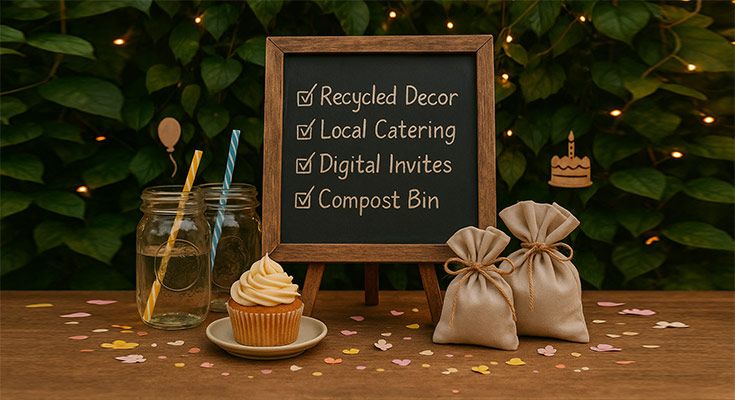
Planning an eco-friendly birthday party doesn’t mean sacrificing fun or style. With growing environmental consciousness and climate change concerns, sustainable party planning has become essential for responsible celebration. This comprehensive guide provides practical, budget-friendly, eco-friendly birthday party planning ideas that reduce environmental impact. If you’re also looking for an easy way to send out your green-themed invites, try this birthday invitation maker tool that helps you design eco-conscious digital invites in minutes.
Modern sustainable birthday parties can reduce waste by up to 80% compared to traditional celebrations, while often costing 15-30% less than conventional parties. By implementing green party planning strategies, you’ll create meaningful celebrations that align with environmental values while teaching children and adults about sustainability.
What Makes a Birthday Party Eco-Friendly?
An eco-friendly birthday party prioritizes environmental sustainability through conscious choices in decorations, food, activities, and waste management. The core principles include reducing single-use items, choosing renewable or biodegradable materials, minimizing transportation emissions, and creating zero-waste celebrations.
Sustainable birthday parties focus on three key areas: reducing consumption, reusing materials, and choosing digital invitations over paper ones to minimize environmental impact. This approach creates celebrations that are both environmentally responsible and cost-effective, often resulting in more creative and personalized experiences.
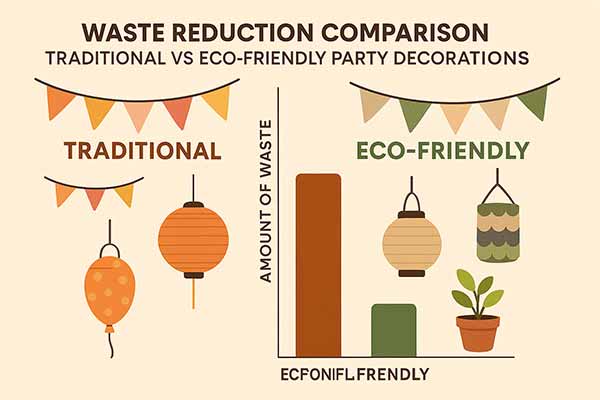
The environmental impact of traditional birthday parties is significant. A typical children’s party generates 2-5 pounds of waste per guest, with decorations, disposable tableware, and packaging contributing to landfill accumulation. Eco-friendly alternatives can reduce this waste by 70-90% while maintaining celebration quality.
How to Plan Zero-Waste Birthday Decorations?
Reusable Decoration Ideas
Creating stunning decorations without generating waste requires strategic planning and creative thinking. Fabric bunting, paper lanterns made from recycled materials, and potted plants serve as beautiful, reusable alternatives to traditional party decorations.
Fabric bunting can be sewn from old clothing, bedsheets, or purchased fabric scraps. These decorations last for years and can be customized for different themes. Paper lanterns crafted from newspaper, magazine pages, or brown paper bags create atmospheric lighting while repurposing materials that might otherwise be discarded.
Living decorations like potted herbs, succulents, or flowering plants serve dual purposes as party decor and take-home gifts. These green elements add natural beauty while providing guests with lasting mementos that continue growing long after the celebration ends.
DIY Natural Decoration Projects
Nature provides abundant decoration materials that are both beautiful and biodegradable. Pine cones, branches, flowers, and leaves create stunning centerpieces and garlands without environmental impact. These materials can be collected during family nature walks, adding adventure to party preparation.
Flower crowns made from locally sourced blooms, twig and moss table runners, and stone painting stations provide interactive decoration activities. Guests can participate in creating a party atmosphere while engaging with natural materials and learning about local ecosystems.
Seasonal decorations using pumpkins, gourds, fallen leaves, or winter pine boughs align celebrations with natural cycles. These materials decompose naturally after the party, returning nutrients to the soil and completing the sustainable cycle.
Upcycling Household Items
Transforming everyday household items into party decorations reduces waste while sparking creativity. Glass jars become luminaries with battery-operated LED strings, creating magical lighting without fire hazards. Old magazines and newspapers can be crafted into colorful paper flowers, chains, or backdrop elements.
Cardboard boxes transform into photo booth props, castle walls, or play structures. These temporary installations provide entertainment value while utilizing materials that would otherwise be recycled. Children especially enjoy helping create these custom decorations.
Empty tin cans, cleaned and decorated with natural materials or paint, become planters, utensil holders, or luminaries. These projects teach resourcefulness while creating functional party elements from discarded materials.
What Are the Best Sustainable Food Options for Birthday Parties?
Choosing sustainable food options helps reduce your party’s environmental footprint while supporting local producers and healthier eating. With thoughtful planning, you can create a delicious, eco-conscious menu that satisfies guests and aligns with your values.
Locally Sourced and Organic Menu Planning
Sustainable party food emphasizes local, organic, and seasonal ingredients that support environmental health and community economics. Partnering with local farmers’ markets, community-supported agriculture programs, or organic grocery stores ensures fresh, environmentally responsible food choices.
Seasonal menu planning reduces transportation emissions and supports natural growing cycles. Spring parties might feature fresh berries and early vegetables, while fall celebrations can highlight apples, pumpkins, and root vegetables. This approach often results in more flavorful and nutritious party foods.
Plant-based menu options significantly reduce environmental impact while accommodating diverse dietary preferences. Vegetarian and vegan dishes require fewer resources to produce and often introduce guests to new flavors and cooking techniques. Simple preparations like vegetable platters, fruit salads, and grain-based dishes can be both nutritious and appealing.
Homemade vs Store-Bought Considerations
Preparing food at home reduces packaging waste and allows complete control over ingredients and environmental impact. Homemade cakes, cookies, and snacks eliminate excess packaging while often costing less than store-bought alternatives. This approach also allows customization for allergies and dietary restrictions.
When purchasing prepared foods, choose items with minimal packaging, recyclable containers, or compostable materials. Bulk buying reduces per-unit packaging while often providing cost savings. Coordinate with other parents to share bulk purchases and reduce individual environmental impact.
Beverages present particular packaging challenges. Homemade lemonades, fruit punches, or infused waters served in glass pitchers eliminate single-use bottles and cans. When purchasing beverages, choose options in recyclable glass or aluminum containers over plastic alternatives.
“Sustainable party planning isn’t about restriction—it’s about creativity and intention. Some of our most memorable celebrations have come from working with natural materials and homemade elements.” – Sarah Johnson, Sustainable Event Planner
Waste-Free Serving Solutions
Eliminating disposable tableware requires strategic planning, but it significantly reduces party waste. Borrowing plates, cups, and utensils from friends and family creates sufficient serving pieces while building community connections. Many party rental companies now offer eco-friendly options, including bamboo plates and compostable utensils.
Reusable cloth napkins, either purchased or borrowed, eliminate paper waste while adding elegance to table settings. These can be collected after the party, washed, and returned to the owners or kept for future celebrations. Vintage or mismatched sets often create charming, eclectic table presentations.
For larger gatherings where washing dishes becomes challenging, compostable plates and utensils made from bamboo, palm leaves, or sugarcane provide eco-friendly alternatives. These materials break down naturally in composting systems, unlike traditional paper products that often contain plastic coatings.
How to Create Eco-Friendly Party Activities and Entertainment?

Nature-Based Activity Ideas
Outdoor activities connect children with nature while requiring minimal resources or waste generation. Scavenger hunts using natural materials, nature art projects with found objects, and garden exploration activities provide engaging entertainment without environmental impact.
Tree planting ceremonies create lasting memories while contributing to environmental restoration. Each guest can plant a seedling to take home, creating living party favors that grow and provide ongoing environmental benefits. This activity teaches responsibility while celebrating growth and renewal.
Nature craft stations using collected materials like leaves, flowers, pine cones, and stones allow creative expression while learning about local ecosystems. These activities work well for mixed age groups and can be adapted for different seasons and locations.
DIY Game and Activity Stations
Creating game stations using household materials and natural elements provides entertainment while teaching resourcefulness. Obstacle courses built from cardboard boxes, jumping rope games, and relay races require minimal materials while encouraging physical activity.
Craft stations featuring recycled materials like bottle cap art, newspaper sculpting, or magazine collage projects combine creativity with environmental education. These activities produce take-home creations while demonstrating creative reuse principles.
Cooking or baking activities allow guests to participate in food preparation while learning about sustainable cooking. Simple projects like decorating cookies, making trail mix, or preparing fruit kabobs engage children while contributing to party refreshments.
Educational Environmental Activities
Composting demonstrations teach valuable life skills while addressing party waste management. Setting up simple composting systems and explaining decomposition processes helps guests understand natural cycles and waste reduction strategies.
Seed starting activities provide hands-on learning about plant growth and food production. Guests can plant seeds in small containers made from newspaper or eggshells, creating educational take-home projects that continue growing after the party.
Recycling sorting games and environmental trivia make learning fun while reinforcing sustainable practices. These activities work particularly well for older children and can be adapted to different environmental topics and local issues.
To support your theme visually, choose from a variety of eco-friendly birthday invitation templates that reflect nature, recycling, or educational themes to help reinforce your sustainability message even before the party begins.
What Are the Most Sustainable Party Favor Alternatives?
Sustainable party favors focus on usefulness, creativity, and minimal environmental impact. By choosing experiences, plants, or handmade items, you can send guests home with meaningful mementos that align with eco-friendly birthday values.
Experience-Based Party Favors
Shifting from material gifts to experiential party favors reduces waste while creating lasting memories. Offering activities like nature walks, craft sessions, or cooking classes provides value without generating physical waste. These experiences often become more memorable than traditional trinkets.
Skill-sharing sessions where guests learn new abilities like gardening, cooking, or crafting create valuable party favors that continue providing benefits long after the celebration. Parents with special skills can lead these sessions, building community connections while sharing knowledge.
Digital party favors like custom photo collections, video messages, or online activity guides eliminate physical waste while providing personalized mementos. These can be shared via email or social media, making them easily accessible and shareable.
Plantable and Edible Party Favors
Living party favors like small potted plants, herb seedlings, or flower bulbs provide ongoing enjoyment while contributing to environmental health. These gifts teach responsibility and provide connections to nature that continue growing long after the party ends.
Edible party favors eliminate waste while providing immediate enjoyment. Homemade cookies, small jars of preserves, or packages of homemade trail mix create personal touches while avoiding plastic packaging and non-biodegradable materials.
Seed packets featuring locally appropriate plants or vegetables encourage gardening while supporting local ecosystems. These inexpensive party favors can be customized with party themes and provide educational opportunities about plant growth and environmental stewardship.
Upcycled and Handmade Gift Options
Creating party favors from recycled materials teaches creativity while reducing waste. Painted rocks, decorated tin cans converted to planters, or handmade books from recycled paper provide personal touches while demonstrating resourcefulness.
Collaborative craft projects where all guests contribute to creating party favors build community while ensuring everyone receives something special. Group art projects, story creation, or music sessions can result in take-home items that remind guests of shared experiences.
Handmade items like knitted bookmarks, decorated picture frames made from cardboard, or custom artwork created during the party provide personal touches while avoiding mass-produced plastic items that often end up in landfills.
CASE_STUDY: The Martinez family reduced their annual birthday party waste by 85% and costs by 40% by implementing eco-friendly planning strategies, including reusable decorations, homemade food, and plantable party favors. Their sustainable approach became a neighborhood model, inspiring five other families to adopt similar practices.
How to Manage Party Waste Sustainably?
Eco-conscious birthday parties don’t end with the fun; they extend into thoughtful cleanup strategies. By planning ahead for composting, recycling, and reuse, you can minimize waste and ensure your celebration supports long-term environmental goals.
Composting and Recycling Systems
Implementing comprehensive waste management systems ensures that party cleanup aligns with sustainability goals. Setting up clearly labeled stations for compost, recycling, and landfill waste helps guests participate in proper disposal while teaching environmental responsibility.
Composting food scraps, paper napkins, and biodegradable decorations diverts organic waste from landfills while creating valuable soil amendments. Simple composting systems can be established in backyards or arrangements made with local composting facilities.
Recycling stations should accommodate different materials, including paper, plastic, glass, and metal. Clear labeling and brief explanations help guests understand proper sorting while maximizing material recovery. Some items may need special handling, such as batteries or electronics.
Donation and Reuse Strategies
Planning for post-party item redistribution ensures materials continue serving useful purposes. Decorations that can’t be stored might be donated to schools, community centers, or other families planning celebrations. This approach extends item lifecycles while supporting community resources.
Leftover food can be packaged for guests to take home, donated to local food banks, or shared with neighbors. Proper food safety guidelines must be followed, but this approach significantly reduces waste while ensuring food reaches people who can use it.
Gently used items like decorations, serving pieces, or activity materials can be passed along to other families or saved for future celebrations. Creating community networks for sharing party supplies reduces individual purchasing while building neighborhood connections.
Minimal Waste Party Planning
Planning significantly reduces party waste generation. Accurate guest counts prevent over-purchasing food and supplies, while careful decoration selection ensures materials can be reused or properly disposed of after the celebration.
Choosing activities and decorations that produce minimal waste requires creativity but often results in more meaningful celebrations. Focus on experiences, natural materials, and reusable items rather than disposable elements that provide temporary satisfaction.
Pre-party discussions with guests about sustainability goals can encourage participation in waste reduction efforts. When guests understand environmental priorities, they’re more likely to support composting, recycling, and reuse initiatives during the celebration.
What Are the Cost Benefits of Eco-Friendly Birthday Parties?
Eco-friendly birthday planning isn’t just good for the planet, it’s good for your wallet too. By focusing on reusability, DIY projects, and community sharing, you can host a meaningful celebration while keeping expenses low.
Budget Comparison Analysis
Sustainable birthday parties often cost 15-30% less than traditional celebrations while providing equal or greater satisfaction. Initial investments in reusable items like fabric decorations, glass serving pieces, or durable games pay dividends through multiple uses.
Homemade food preparation reduces costs while allowing complete control over ingredients and portions. Bulk purchasing of organic ingredients often costs less per serving than pre-packaged alternatives while providing better nutrition and flavor.
DIY activities and decorations require time investment but significantly reduce monetary costs. Families often find that planning and creating party elements together becomes part of the celebration experience, building memories while saving money.
Long-Term Investment Benefits
Reusable party supplies continue providing value for years, making initial investments worthwhile. Quality fabric decorations, durable serving pieces, and well-made games can support multiple celebrations while reducing per-party costs over time.
Skills learned through sustainable party planning transfer to other areas of life. Families often find that homemade food preparation, DIY decorating, and waste reduction strategies become ongoing practices that continue providing financial and environmental benefits.
Community connections built through sustainable party planning can lead to resource sharing that benefits everyone involved. Families may coordinate to share bulk purchases, loan decorations, or collaborate on future celebrations, creating economic advantages for all participants.
According to the Columbia Climate School, environmental sustainability supports consumption that’s both meaningful and planet-friendly, suggesting that eco‑friendly party practices (like zero-waste supplies, reusable tableware, and local sourcing) can reduce resource waste and often save money over time.1
How to Get Kids Involved in Sustainable Party Planning?
Including kids in eco-friendly birthday planning empowers them with lifelong values and practical skills. By assigning age-appropriate tasks, you turn the celebration into a fun and educational experience rooted in environmental responsibility.
Age-Appropriate Planning Tasks
Children can contribute meaningfully to sustainable party planning through tasks matched to their developmental abilities. Young children might help collect natural decoration materials, wash vegetables for party food, or sort recyclables during cleanup.
When children help create party elements, they can also participate in designing age-appropriate invitation designs that reflect their environmental values and creative input.
Older children can take on more complex responsibilities like researching local food sources, calculating ingredient quantities, or designing invitations using recycled materials. These tasks teach practical skills while building ownership of sustainability practices.
Teenagers can lead specific aspects of party planning, such as coordinating with local suppliers, managing waste reduction systems, or teaching younger guests about environmental topics. This leadership builds confidence while reinforcing sustainable values.
Educational Opportunities
Party planning provides numerous opportunities to teach environmental science, mathematics, and social responsibility. Calculating food quantities teaches measurement and estimation, while researching local food sources introduces geography and economics concepts.
Composting and recycling systems demonstrate scientific principles like decomposition and material properties. Children learn about natural cycles while developing practical skills they can apply throughout their lives.
Budgeting exercises help children understand financial responsibility while demonstrating how sustainable choices often provide economic benefits. These lessons build practical life skills while reinforcing environmental values.
Building Environmental Awareness
Sustainable party planning helps children understand connections between daily choices and environmental impact. Through hands-on activities, they learn how individual actions contribute to larger environmental outcomes.
Discussions about waste reduction, local food systems, and resource conservation naturally arise during party planning. These conversations help children develop critical thinking skills about environmental issues while building personal responsibility.
Celebrating sustainably demonstrates that environmental consciousness doesn’t require sacrifice or diminished enjoyment. Children learn that sustainable choices can enhance experiences while protecting natural resources for future generations.
What Are Creative Eco-Friendly Party Themes?
Eco-friendly birthday party ideas and themes make sustainability fun, imaginative, and memorable. With nature-based activities and upcycled crafts, you can create a celebration that sparks joy while honoring the planet.
Garden and Nature-Inspired Themes
Garden party themes naturally align with sustainability goals while providing beautiful, engaging celebration contexts. “Fairy Garden” parties can feature potted plants, natural decorations, and outdoor activities that connect guests with nature while minimizing environmental impact.
“Farm-to-Table” celebrations emphasize local food sources and agricultural education. Guests can participate in simple food preparation, learn about local farming, and enjoy fresh, seasonal ingredients while building connections to food systems.
“Outdoor Adventure” themes encourage active engagement with natural environments. Hiking parties, beach cleanups, or park exploration activities provide entertainment while teaching environmental stewardship and outdoor skills.
Upcycling and Craft-Focused Celebrations
“Maker Party” themes center around creating items from recycled materials. Guests can participate in various craft stations, learning new skills while producing useful or beautiful items from materials that might otherwise be discarded.
“Artist’s Studio” parties can feature recyclable art supplies and natural materials. Guests create artwork while learning about different mediums and techniques, often resulting in unique pieces they can take home as party favors.
“Inventor’s Workshop” themes challenge guests to create solutions using available materials. These problem-solving activities teach resourcefulness while encouraging creativity and critical thinking about resource use.
Educational Environmental Themes
“Earth Day” celebrations can occur throughout the year, focusing on environmental education and conservation activities. Guests might participate in tree planting, creek cleanup, or wildlife habitat creation while learning about local ecosystems.
“Climate Action Heroes” themes inspire guests to learn about environmental challenges and solutions. Activities might include renewable energy demonstrations, waste reduction challenges, or sustainable transportation discussions.
“Future Earth” parties encourage guests to imagine and plan for sustainable futures. These forward-looking celebrations can include discussions about environmental careers, sustainable technology, and conservation innovations.
These party ideas work beautifully when paired with themed invitations like farm birthday invitation templates or garden-inspired designs to set the mood right from the moment your guests open the invite. Whether you’re planning a garden party, space-themed eco-celebration, or nature adventure, explore our birthday invitation card themes to find designs that complement your sustainable celebration approach.
How to Handle Common Eco-Friendly Party Challenges?
Weather and Outdoor Event Considerations
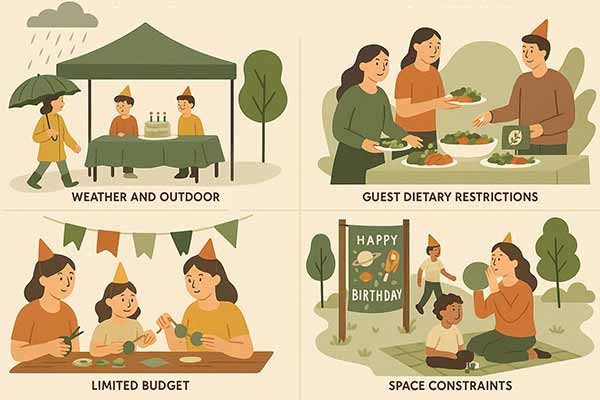
Planning sustainable outdoor celebrations requires backup strategies for weather changes. Indoor alternatives should maintain sustainability principles while accommodating guest comfort and safety. Borrowed or rental equipment often provides cost-effective solutions for weather protection.
Seasonal party planning works with natural conditions rather than against them. Spring and fall often provide optimal weather for outdoor celebrations, while summer parties can take advantage of longer daylight hours and abundant local produce.
Weather-appropriate activities ensure guest comfort while maintaining environmental goals. Indoor nature crafts, greenhouse visits, or covered outdoor spaces provide alternatives when weather conditions aren’t ideal for fully outdoor celebrations.
Guest Dietary Restrictions and Preferences
Accommodating diverse dietary needs while maintaining sustainability requires careful planning, but often results in more inclusive celebrations. Plant-based options naturally address many dietary restrictions while supporting environmental goals.
Clear communication with guests about dietary needs allows proper planning for allergies, preferences, and restrictions. Homemade food preparation provides complete control over ingredients while allowing customization for individual requirements.
Buffet-style serving allows guests to choose foods that meet their dietary needs while reducing waste from uneaten individual portions. This approach also accommodates different appetite levels and preferences effectively.
Limited Budget Constraints
Sustainable party planning often reduces costs, but initial transitions may require strategic investment. Prioritizing reusable items and focusing on activities rather than disposable decorations maximizes environmental and economic benefits.
Community resource sharing helps address budget constraints while building social connections. Borrowing items, coordinating bulk purchases, or sharing planning responsibilities distributes costs while creating collaborative celebrations.
DIY approaches require time investment but significantly reduce monetary costs. Families often find that creating party elements together becomes part of the celebration experience while building valuable skills and memories.
Space and Venue Limitations
Small spaces can accommodate sustainable celebrations through creative planning and efficient use of available areas. Vertical decorations, multi-purpose items, and outdoor extensions maximize space while maintaining environmental goals.
Public spaces like parks, beaches, or community centers often provide venues for sustainable celebrations. These locations typically have recycling facilities and outdoor space while reducing home cleanup requirements.
Venue selection should consider transportation needs and environmental impact. Locations accessible by walking, biking, or public transportation reduce celebration-related emissions while often providing better facilities for sustainable activities.
If you’re planning a themed celebration that ties into your food choices, like a cosmic snack station or planet-friendly ingredients, a space birthday invitation template can help set the tone for a fun, eco-conscious party.
What Are the Latest Trends in Sustainable Event Planning?
Sustainable birthday parties are evolving with innovative trends that blend eco-consciousness with convenience and community. From zero-waste goals to digital tools and shared celebrations, modern planning is both greener and more collaborative than ever.
Zero-Waste Movement Integration
The zero-waste movement increasingly influences birthday party planning, with families striving to eliminate landfill waste. This approach requires comprehensive planning but often results in more creative and meaningful celebrations.
Packaging-free purchasing and bulk buying support zero-waste goals while often providing cost savings. Families coordinate with local suppliers to minimize packaging while supporting businesses that prioritize sustainability.
Circular economy principles guide zero-waste party planning, ensuring all materials continue serving useful purposes after celebrations. This approach requires thinking beyond immediate party needs to consider long-term material lifecycles.
Technology Integration for Sustainability
Digital invitations and party planning tools reduce paper waste while providing convenient organization and communication options. Online planning platforms can coordinate guest contributions, dietary needs, and transportation arrangements efficiently.
Social media documentation replaces physical photo printing while creating shareable memories. Digital photo albums and online sharing reduce material waste while making memories accessible to extended family and friends.
Apps and online resources provide guidance for sustainable party planning, waste reduction, and local resource identification. These tools make sustainable choices more accessible while providing ongoing education and inspiration.
Community-Based Celebration Models
Neighborhood party sharing becomes more efficient when families coordinate through messaging apps, allowing real-time updates about shared resources and collaborative planning.
Collaborative celebration planning allows families to specialize in different aspects of party preparation. Some might focus on food preparation, others on activities, and others on decorations, creating expertise that benefits everyone.
Community garden parties and shared outdoor spaces provide venues for sustainable celebrations while building social connections. These approaches often result in more elaborate celebrations while reducing individual environmental impact.
Frequently Asked Questions About Eco-Friendly Birthday Parties
Eco-friendly birthday parties can reduce waste by 70-90% compared to traditional celebrations. The most significant reductions come from eliminating disposable decorations, tableware, and single-use party favors. Families implementing comprehensive sustainable practices often generate less than one pound of waste per guest, compared to 2-5 pounds for traditional parties.
Eco-friendly parties typically cost 15-30% less than traditional celebrations, though initial investments in reusable items may require upfront spending. Long-term costs decrease as reusable decorations, serving pieces, and games support multiple celebrations. Homemade food preparation and DIY activities reduce costs while often providing better quality and more personal touches.
Children often respond enthusiastically to sustainable party elements, especially when they participate in planning and preparation. Hands-on activities like crafting decorations, preparing food, and caring for plants appeal to natural curiosity and creativity. Nature scavenger hunts, composting demonstrations, and recycling sorting games combine learning with entertainment effectively.
Fabric decorations, potted plants, and natural materials provide beautiful, reusable alternatives to disposable decorations. Borrowed or rented tableware eliminates waste while often providing a more elegant presentation than paper products. Digital invitations and party planning tools eliminate paper waste while providing convenient organization options.
Comprehensive waste management systems with clearly labeled stations for composting, recycling, and landfill waste help guests participate in proper disposal. Pre-planning for item redistribution ensures materials continue serving useful purposes. Reusable items should be cleaned and stored properly for future use. Organic waste goes into composting systems, while recyclables are properly sorted and processed. The goal is to minimize landfill waste while ensuring materials serve their full useful lifecycles.
Conclusion: Creating Memorable Sustainable Celebrations
Eco-friendly birthday party planning ideas demonstrate that environmental consciousness enhances rather than limits celebration possibilities. Through thoughtful choices in decorations, food, activities, and waste management, families create meaningful events that align with sustainability values while often reducing costs and building community connections.
Sustainable birthday parties contribute to larger environmental goals while creating positive experiences for guests. By reducing waste, supporting local food systems, and teaching conservation principles, these celebrations help build more sustainable communities while maintaining the joy and connection that make birthdays special.
Whether implementing small changes or comprehensive sustainability strategies, every eco-friendly choice contributes to environmental protection while often providing unexpected benefits in cost savings, community building, and personal satisfaction. An app like 1Invites digital birthday invitation maker can help reduce paper waste while adding a personalized, eco-conscious touch right from the start.
Reference
- “Environmental Sustainability and Consumption,” retrieved July 3, 2025; State of the Planet – Columbia Climate School, published April 22, 2024.