

Sending out invitations is more than just sharing event details—it’s about setting the tone and ensuring everything runs smoothly. One essential element that often gets overlooked is the RSVP. Including a clear RSVP request helps you manage guest lists, plan effectively, and create a seamless experience for everyone involved. This guide will walk you through the right way to use RSVP in invitations, making it easy for guests to respond and for you to stay organized.
What Does RSVP Mean in an Invitation?
RSVP in invitation means “Répondez s’il vous plaît,” which is French for “Please respond.” This request is typically included on invitations to inform the host whether guests will attend the event. Using an RSVP invitation helps the host organize the event more efficiently by planning for food, seating, and other logistics.
How to Use RSVP in Invitations
Using RSVP in invitations may seem simple, but it’s important to follow specific steps to ensure it works effectively. Here’s a breakdown of how to do it the right way.
1. Include a Clear RSVP Request
The first rule is to make the RSVP request clear and easy to find. It should stand out on the invitation so that guests know exactly where to look for it.
- Positioning: Place the RSVP request at the bottom or in a designated section of the invitation.
- Wording: Use clear and concise language such as “Please RSVP by [date]” or “Kindly respond by [date].”
- Tone: Maintain a polite, professional, or friendly tone depending on the formality of your event.
Example:
Please RSVP by [date] to confirm your attendance
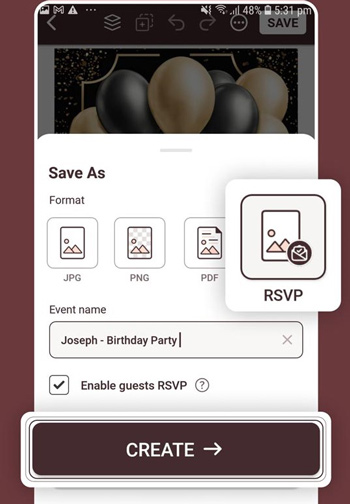
Personalize RSVP Details Flyer
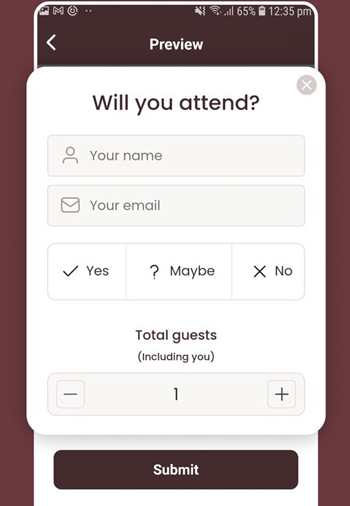
Set Your RSVP Deadline Flyer
2. Set an RSVP Deadline
A key part of a successful RSVP process is setting a deadline by which guests must respond. This ensures that hosts have enough time to finalize plans, including ordering food, securing the right number of seats, and organizing event materials.
- Deadline length: Generally, 2 to 4 weeks before the event is a standard timeframe for RSVPs. For weddings or large events, you may want to set the deadline earlier to account for additional coordination.
- Reminder: A few days before the deadline, send a friendly reminder to guests who haven’t RSVP’d yet, especially if it’s a large event.
Example:
Please respond by [date] to assist with catering.
3. Provide Multiple RSVP Options
It’s crucial to offer different methods for guests to respond. While some guests may prefer calling, others may prefer an online form or email. Providing multiple ways to RSVP ensures that everyone can choose the method that works best for them.
- Methods: Include options like an email address, phone number, an online RSVP form, or a link to a dedicated event website.
- Make it Easy: Keep the RSVP process as simple as possible. For instance, an Online Invitation Maker with a “Yes” or “No” button is straightforward for most people.
Example:
Please RSVP by email at [email@example.com] or by calling [phone number].

Provide Multiple RSVP Options
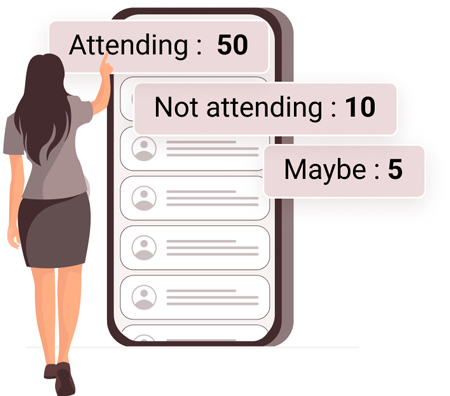
Be Specific About What You Need to Know
4. Be Specific About What You Need to Know
When guests RSVP, asking for the information you need to plan your event properly is important. If you need to know whether guests will be bringing a plus-one, or if they have dietary restrictions, be sure to specify that in the RSVP request.
- Guest Count: If guests are allowed to bring a plus-one, ask for the number of attendees when they RSVP.
- Dietary Preferences: If food is a central element of your event, request guests’ dietary restrictions or preferences to ensure they have enough options.
Example:
Please RSVP by [date] and include any dietary restrictions you may have.
5. Make It Easy to Respond:
Simplifying the response process can significantly boost your RSVP response rate. If you’re using a free online RSVP invitation maker, such as 1invites, Google Forms, a dedicated event website, or any other digital platform, ensure the system is intuitive, mobile-friendly, and easily accessible for all guests. Provide clear instructions on how to submit responses, and consider including a direct link or QR code to make access even more convenient.
For those who prefer more traditional methods, like email or phone, be sure to provide contact details that are easy to find and use. This could mean listing a dedicated RSVP email address or a phone number with clear instructions on when and how to respond. The easier you make the process, the more likely guests are to RSVP promptly.
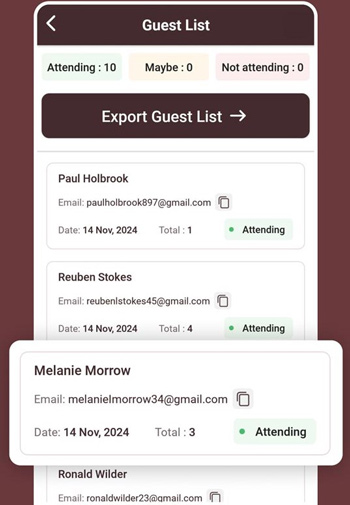
Make It Easy to Respond
Provide Multiple RSVP Options
6. Provide Details for Special Requests:
If you need any additional information—such as meal preferences, allergies, or the number of people attending—mention this on the invitation or in the RSVP request. This will help you plan more accurately.
Example:
Please include any dietary restrictions when you RSVP.”
7. Follow up with a Reminder
As the event date approaches, some guests may forget to RSVP. A polite reminder can prompt those who haven’t responded. It’s best to send a reminder about a week before the deadline to gently encourage last-minute RSVPs.
- Polite reminder: Always keep your reminder message courteous and professional.
Example:
This is a friendly reminder to RSVP by [date] if you plan to attend.

Follow Up with a Reminder
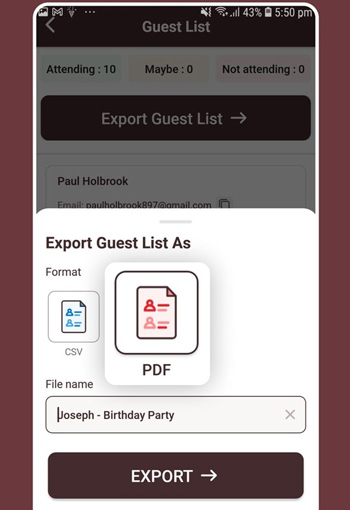
The Alternate RSVP Method
8. Add an Alternate RSVP Method for Convenience:
When managing a large guest list, offering multiple RSVP options can significantly improve response rates. While formal RSVP platforms are effective, providing an alternate, more informal method adds convenience for guests with different preferences. Consider allowing responses through text messages, social media event pages, or a dedicated event website.
These additional methods can be particularly helpful for guests who may find digital forms inconvenient or prefer a quick, hassle-free way to respond. Including clear instructions for each option ensures that everyone can RSVP in the way that feels most comfortable to them, making the process smoother for both you and your attendees.
9. Be Flexible with RSVP Methods
For large or informal events, it’s helpful to allow guests to RSVP in ways that are convenient for them. Social media event pages, text messages, and apps like Evite can be efficient methods for gathering responses. The more options you provide, the easier it will be for guests to respond.
Example:
You can RSVP by responding on the event page or texting [phone number].
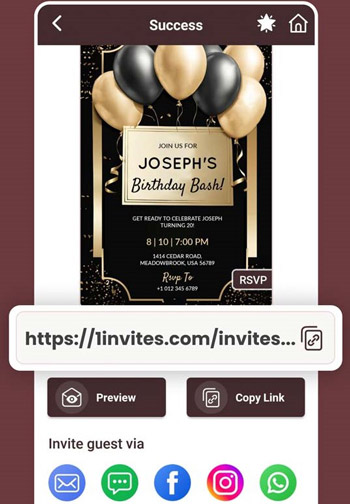
Flexible with RSVP Methods
Why Is RSVP Important?
RSVP is crucial for several reasons. It provides clarity for the host, helps guests understand the importance of responding promptly, and ensures the event is organized efficiently.
Helps the Host with Planning
When a host sends out invitations with an RSVP Invitation request, they are essentially asking guests to confirm their attendance. This response helps the host prepare for the event.
- Catering: The number of confirmed guests directly affects how much food and drink should be ordered, ensuring the host doesn’t run out of supplies or overspend.
- Seating Arrangements: In formal events like weddings or banquets, knowing the number of attendees helps the host set up the appropriate seating arrangement.
- Event Materials: Whether it’s creating personalized name tags, party favors, or preparing a guestbook, knowing the guest count helps streamline the process.
- Budgeting: Events often come with a budget. RSVPs assist the host in estimating costs for food, drinks, and other necessities, thus preventing wasteful spending.
Respect for the Host’s Time and Effort
Planning an event takes considerable time and energy. For larger gatherings, the host often invests a lot of effort into securing a venue, arranging catering, buying decorations, and preparing personalized touches. By responding to an RSVP request, guests show appreciation for these efforts and make it easier for the host to finalize plans.
Assists with Coordination and Special Requests
For many events, such as weddings or large parties, guests may have dietary restrictions, mobility needs, or other special requests. When people RSVP, it allows the host to account for these considerations and make arrangements. This ensures everyone has a comfortable and enjoyable time, regardless of their personal needs.
The Etiquette of RSVP
RSVP is a two-way street, meaning both hosts and guests have responsibilities in this process. Let’s take a closer look at the etiquette involved for both parties.
For Hosts:
- Give Guests Time to Respond: When setting an RSVP deadline, give guests plenty of time to respond. Ideally, you should send out invitations at least 3 to 4 weeks in advance, especially for formal events like weddings.
- Provide Clear Instructions: Make it as easy as possible for your guests to respond. Provide clear instructions on how they can RSVP and what information you need from them.
- Be Considerate: If your event is large, it may take some time for all RSVPs to come in. Be patient, and only send reminders for unresponsive guests closer to the deadline.
For Guests:
- Respond Promptly: As soon as you know whether you will attend, let the host know. If you’re unsure, be honest and inform the host as soon as possible.
- Respect the Deadline: Always try to respond by the RSVP deadline. It shows respect for the host’s time and effort.
- Be Courteous: If you cannot attend, let the host know. This will allow them to invite others or adjust their plans accordingly.
What Happens if You Don’t RSVP?
Failing to RSVP can cause problems for both the host and the guest. Here’s why it’s important to respond:
For the Host:
- Planning Disruptions: When a guest doesn’t RSVP, it makes it difficult for the host to prepare properly, especially for catering and seating arrangements. It may result in wasted food, unfilled seats, or other logistical challenges.
- Uncertainty: Hosts rely on RSVPs to finalize their event plans. If a guest doesn’t respond, the host is left in limbo about whether to prepare for them or not.
For the Guest:
- Missed Opportunity: If you fail to RSVP, you may miss out on attending an event, especially if the host needs to close the guest list for catering or space reasons.
- Social Etiquette: Not responding to an RSVP request can be perceived as inconsiderate or disrespectful. It reflects poorly on your social etiquette.
How to Handle Last-Minute RSVPs
Sometimes, guests may miss the RSVP deadline or decide to attend the event at the last minute. Here’s how to handle these situations:
If You Missed the RSVP Deadline:
If you missed the RSVP deadline but still want to attend, it’s important to contact the host immediately. Be polite and apologetic, explaining your situation. Be prepared for the possibility that the host may have already made final arrangements and may not be able to accommodate you.
Example: Hi [Host], I apologize for missing the RSVP deadline. Is it still possible for me to attend? I completely understand if it’s too late.
For Hosts Dealing with Last-Minute RSVPs:
If a guest contacts you after the RSVP deadline, it’s your decision whether to allow them to attend. Consider factors like seating, catering, and overall guest count. If the event is already full or arrangements are set, be gracious in explaining why it may not be possible for them to join.
Conclusion
RSVP is a fundamental element in event planning, ensuring both hosts and guests have a smooth and enjoyable experience. By following the steps outlined in this guide, hosts can use RSVP effectively to plan an event that meets their needs, while guests can demonstrate their respect for the host’s time and effort by responding promptly. Whether you’re planning a wedding, corporate event, or a casual gathering, understanding RSVP in invitation means being considerate and organized. Utilizing modern tools like online event invitations and RSVP systems simplifies the process, making it easier for everyone involved. Whether you’re the host or the guest, remember to respond on time and make the most of this simple yet important gesture.