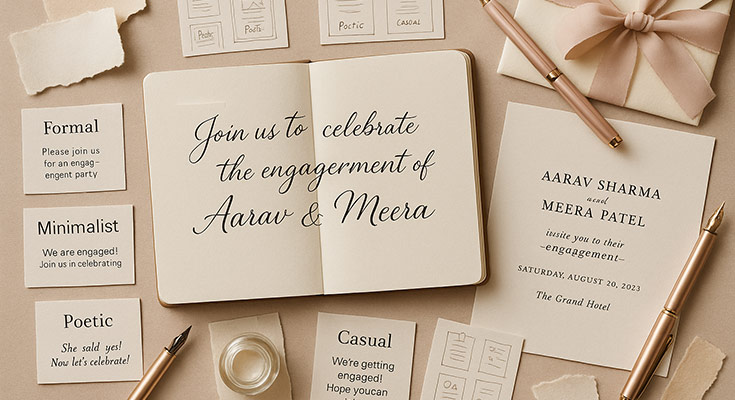
Your engagement marks one of life’s most exciting milestones, and the engagement invitation wording you choose sets the tone for your entire celebration. Whether you’re planning an intimate dinner party or an elaborate cocktail reception, the words on your invitation create the first impression guests will have of your special event. Well-crafted engagement invitation wording not only conveys essential details but also reflects your personality as a couple while building anticipation for the celebration ahead. Start designing with our easy-to-use invitation maker to bring your perfect wording to life.
This comprehensive guide covers everything you need to know about creating memorable engagement invitation wording that perfectly captures the spirit of your celebration. From traditional formal approaches to modern casual styles, you’ll discover practical templates, expert tips, and creative examples that ensure your invitations stand out while maintaining appropriate etiquette. We’ll explore how to personalize your wording, handle special circumstances, and avoid common mistakes that could diminish the impact of your announcement.
What Should You Include in Every Engagement Invitation Wording?
Creating effective engagement party invitation wording requires including specific essential elements that ensure guests have all the information they need while setting the appropriate tone for your celebration. Professional event planners consistently emphasize that complete engagement invitation wording eliminates confusion and maximizes attendance rates, with studies showing that invitations containing all essential elements receive 23% higher RSVP response rates than incomplete ones.

Host Information and Names
The foundation of proper engagement invitation card wording begins with clearly identifying who is hosting the celebration. Traditional etiquette dictates specific formatting based on who is extending the invitation, whether it’s the couple themselves, their parents, or a combination of family members. When parents are hosting, the invitation typically begins with “Mr. and Mrs. [Last Name] request the pleasure of your company” or “The parents of [Bride’s Name] and [Groom’s Name] invite you to celebrate.”
Modern couples increasingly choose to host their engagement parties, leading to more personalized and direct wording approaches. In these cases, invitations might begin with “We’re engaged!” or “[Names] invite you to celebrate their engagement.” This shift reflects changing social dynamics where couples take more active roles in planning their pre-wedding celebrations.
For blended hosting situations where both families contribute, consider wording like “The families of [Bride] and [Groom] cordially invite you” or list both sets of parents explicitly. This approach acknowledges family contributions while maintaining diplomatic balance between different family dynamics.
Event Details and Logistics
Comprehensive event information forms the practical core of effective engagement invitation wording. Essential details include the complete date spelled out (Saturday, the fifteenth of June, two thousand twenty-five), specific time with AM/PM designation, and full venue information, including address and parking instructions if necessary.
Engagement ceremony invitation wording should specify the type of celebration guests can expect. Include phrases like “cocktail reception,” “dinner party,” “garden celebration,” or “casual gathering” to help guests understand the event’s nature and prepare appropriately. Dress code information prevents guest uncertainty and ensures everyone feels comfortable and appropriately attired.
RSVP requirements deserve particular attention, as they directly impact party planning logistics. For comprehensive guidance on RSVP requirements and best practices, include specific deadlines (typically 2-3 weeks before the event), contact methods (phone, email, or response cards), and any meal preference or dietary restriction requests.
Celebration Purpose and Tone Setting
The celebratory purpose should be unmistakably clear in your engagement invitation message. Phrases like “celebrating their engagement,” “toasting their commitment,” or “honoring their love story” immediately communicate the event’s significance. This clarity helps distinguish engagement parties from other social gatherings and ensures guests understand the celebration’s importance.
Tone-setting language guides guest expectations and preparation. Sophisticated celebrations might use phrases like “an evening of elegance” or “a refined celebration,” while casual gatherings could feature “a fun night of celebration” or “a relaxed evening with friends and family.” This language preview helps guests mentally prepare for the appropriate atmosphere and interaction style.
Gift preferences or registry information should be handled delicately within engagement invitation wording. Rather than explicit requests, consider subtle mentions like “Your presence is the only present we need” or directing guests to a wedding website for additional information. This approach maintains etiquette standards while providing practical guidance for gift-giving guests.
Learn more: How to Make Perfect Engagement Invitations: A Complete Guide
How Do You Write Formal Engagement Invitation Wording?
Formal engagement invitation wording follows time-honored traditions and etiquette standards that create an atmosphere of elegance and sophistication for your celebration. According to wedding industry research, approximately 35% of couples choose formal wording styles for their engagement invitations, particularly for evening events, upscale venues, or when hosting mixed-generation guest lists that include grandparents and family friends who appreciate traditional approaches.
Classic Formal Engagement Invitation Templates
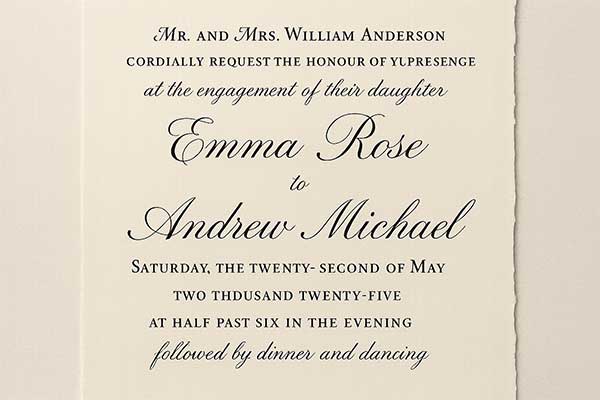
Traditional formal engagement invitation wording employs a third-person narrative structure, avoiding casual contractions and maintaining dignified language throughout. The standard format begins with the hosts’ formal names, uses respectful request language, and presents all information in a structured, hierarchical manner that reflects classical invitation conventions. You can explore beautifully crafted examples in our curated collection of invitation templates.
Proper formal wording includes complete titles (Mr., Mrs., Dr., etc.), full names without nicknames, and spelled-out numbers for dates and times. The language typically features phrases like “request the honor of your presence,” “cordially invite you,” or “would be pleased by your attendance.” These traditional phrases establish the invitation’s formal tone while conveying genuine warmth and welcome.
Time presentation in formal invitations requires specific attention to detail. Instead of “6:30 PM,” formal wording states “half past six in the evening” or “six-thirty o’clock in the evening.” Similarly, dates should be fully spelled out: “Saturday, the twenty-second of May, two thousand twenty-five” rather than numerical formats that appear too casual for formal celebrations.
Traditional engagement invitation wording often incorporates elegant transitional phrases that connect different information elements smoothly. Phrases like “followed by dinner and dancing,” “with celebration to continue,” or “festivities beginning at” create natural flow while maintaining the invitation’s sophisticated character throughout.
Religious and Cultural Formal Wording
Faith-based formal engagement invitations require careful integration of religious elements while maintaining inclusivity for guests of different backgrounds. Many couples choose to include blessing requests, scripture references, or acknowledgments of divine guidance in their love story. Common religious phrases include “With God’s blessing,” “In celebration of His gift of love,” or “Blessed by divine providence.”
Cultural traditions significantly influence formal engagement invitation wording, particularly for families maintaining heritage customs. These might include language acknowledging cultural ceremonies, traditional blessing rituals, or heritage-specific celebration elements. Researching appropriate cultural phrases and consulting with family elders ensures respectful and accurate representation of traditions.
Interfaith couples face unique challenges in creating formal wording that honors both religious backgrounds without excluding either tradition. Successful approaches often focus on universal themes like love, commitment, and family blessing while incorporating subtle elements from both faiths. Professional consultation with religious leaders can provide guidance for respectful integration of multiple traditions.
Multilingual formal invitations serve diverse guest lists by including key information in multiple languages. This approach demonstrates respect for extended family members who may prefer their native language while maintaining the formal tone in all linguistic versions.
Corporate and Professional Event Wording
Professional engagement celebrations require formal wording that maintains workplace appropriateness while celebrating personal milestones. These events often occur in corporate settings, involve professional colleagues, or serve networking purposes alongside personal celebration. The wording must balance personal warmth with professional propriety.
Business-appropriate engagement invitation wording typically emphasizes the professional relationship context while acknowledging the personal celebration. Phrases like “Professional colleagues and friends are invited,” “Join us for an after-hours celebration,” or “You’re cordially invited to celebrate our engagement at a professional gathering” establish appropriate expectations.
Corporate venue considerations influence formal wording choices, particularly when celebrations occur in business facilities or professional club settings. These venues often require specific acknowledgment in invitations, dress code specifications that align with professional standards, and timing that respects business hour constraints.
Professional networking elements can be subtly incorporated into formal engagement invitation wording when appropriate. However, the primary focus should remain on celebration rather than business development. Phrases acknowledging professional relationships while emphasizing personal celebration maintain appropriate balance and guest comfort.
According to Wikipedia, formal invitations—including engagement and wedding announcements—are typically written in third-person, formal language, naming hosts (often parents), requesting presence, and fully spelling out dates, times, and locations to convey proper etiquette and seriousness.1
What Makes Casual Engagement Invitation Wording Stand Out?
Casual engagement invitation wording breaks away from traditional formality to create warm, approachable invitations that reflect modern relationships and relaxed celebration styles. Recent surveys indicate that 42% of couples prefer casual wording approaches, particularly millennial and Gen Z couples who prioritize authenticity and personal expression over conventional etiquette standards. Casual wording allows couples to infuse their personalities directly into their invitations while maintaining necessary information and celebration focus.
Modern Conversational Wording Styles
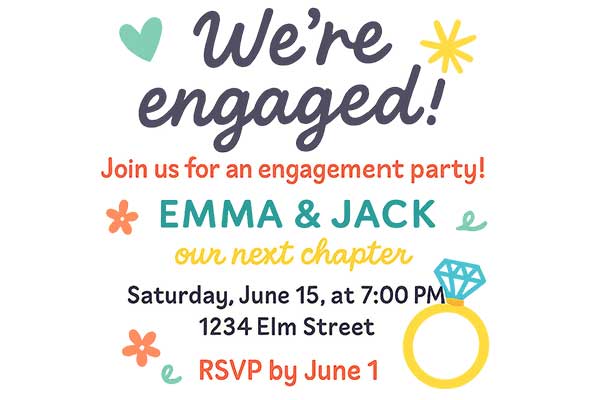
Contemporary casual engagement invitation wording embraces a first-person narrative and conversational tone that makes guests feel like friends receiving personal updates rather than formal event notices. This approach often begins with direct statements like “We’re engaged!” or “She said yes!” followed by enthusiastic invitation language that conveys genuine excitement and anticipation for shared celebration.
Modern engagement invitation wording frequently incorporates contemporary relationship terminology and expressions that resonate with younger demographics. Phrases like “our next chapter,” “taking the plunge,” “making it official,” or “joining the married club” reflect current relationship discourse while maintaining celebration focus. These expressions feel natural and authentic rather than stilted or overly formal.
Conversational engagement invitation wording often includes personal touches that traditional formal invitations avoid. Couples might reference shared experiences, inside jokes (that guests will understand), or specific relationship milestones that add intimacy and personality to their announcements. This personalization creates stronger emotional connections with recipients and increases celebration anticipation.
The structure of casual wording typically flows more naturally than formal alternatives, using varied sentence lengths and contemporary punctuation styles. Exclamation points, ellipses, and even appropriate emoji usage (in digital invitations) can enhance the casual, celebratory tone while maintaining readability and information clarity.
Fun and Playful Engagement Wording
Playful engagement invitation wording allows couples to showcase their humor, creativity, and unique relationship dynamics through clever word choices and entertaining presentation styles. This approach works particularly well for couples known for their humor or planning themed celebrations that embrace fun and lighthearted atmospheres.
Creative wordplay and puns can add memorable elements to casual engagement invitations. Examples might include “We’re tying the knot… but first, let’s party!” or “Love is brewing, and we’re celebrating!” These playful approaches work best when they genuinely reflect the couple’s communication style and relationship personality rather than forced humor that feels unnatural.
Engagement party invitation text with playful elements often incorporates pop culture references, shared interests, or hobby-related language that resonates with the guest list. Couples who met through specific activities, share particular passions, or have unique shared experiences can weave these elements into their invitation wording for added personalization and guest engagement.
Interactive elements can enhance playful engagement invitation wording, such as requesting guests to bring specific items, participate in activities, or contribute to celebration elements. Phrases like “Bring your dancing shoes,” “Come hungry for celebration,” or “Prepare for party games” create anticipation and encourage guest participation in celebration planning.
Intimate Gathering Wording
Small, intimate engagement celebrations require casual wording that emphasizes closeness, warmth, and special relationship significance with guests. These invitations often acknowledge the exclusive nature of the guest list while expressing genuine appreciation for the recipients’ important roles in the couple’s lives.
Intimate gathering wording frequently includes personal acknowledgments of guest relationships and their significance to the couple. Phrases like “our closest friends and family,” “the people who matter most,” or “our chosen family” create emotional resonance and help guests understand their special status in the couple’s celebration plans.
Casual engagement invitation wording for intimate gatherings often emphasizes comfort and relaxation rather than formal entertainment. Language might include “cozy celebration,” “intimate dinner,” “gathering of favorites,” or “close-knit party” to set appropriate expectations for smaller, more personal interaction styles.
The invitation tone for intimate celebrations often feels more like personal notes than formal announcements. Couples might use language like “We’d love to celebrate with you,” “Join us for a special evening,” or “We can’t imagine celebrating without you” to create a personal connection and emphasize the guest’s importance to the celebration.
How Can You Personalize Your Engagement Invitation Wording?
Personalizing your engagement invitation wording transforms standard templates into unique expressions of your relationship story, cultural background, and celebration vision. Wedding industry professionals report that personalized invitations receive 31% higher guest engagement rates and create lasting keepsakes that couples and families treasure for decades. Effective personalization requires balancing individual expression with guest comprehension and celebration coherence. Stay current with the latest engagement invitation trends for 2026 to ensure your wording aligns with contemporary styles.
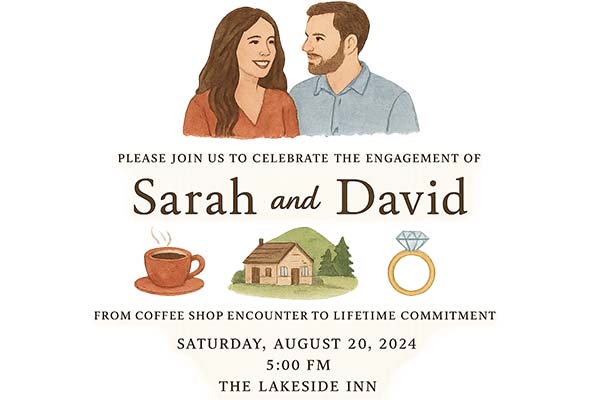
Incorporating Your Love Story Elements
Weaving your unique love story into engagement invitation wording creates emotional resonance and helps guests understand the significance of your relationship journey. Successful integration focuses on universally relatable elements while highlighting what makes your partnership special. References to how you met, significant shared experiences, or meaningful relationship milestones can provide context and depth to your celebration announcement.
Meeting story references work particularly well when they’re brief and charming rather than overly detailed. Phrases like “From coffee shop encounters to lifetime commitment,” “College sweethearts taking the next step,” or “Workplace friendship turned into forever love” provide context without overwhelming the invitation’s primary purpose. These references help guests connect with your journey while maintaining focus on the upcoming celebration.
Shared experiences and adventures can provide rich material for personalized engagement invitation wording. Couples who travel together might reference “From hiking trails to wedding aisles,” while food enthusiasts could use “From cooking together to planning forever.” These personal touches should enhance rather than overshadow the celebration invitation and remain accessible to all guests regardless of their familiarity with specific details.
Meaningful locations often play significant roles in relationship stories and can be elegantly incorporated into engagement invitation wording. Whether you’re celebrating at the place you met, got engaged, or simply love spending time together, location references add personal significance. Phrases like “Celebrating where our story began” or “Returning to our favorite place with our favorite people” create an emotional connection and celebration context.
Cultural Heritage and Family Traditions
Cultural heritage integration in engagement ceremony invitation wording honors family traditions while creating inclusive celebrations that respect diverse backgrounds. Successful cultural incorporation requires research, family consultation, and careful balance between tradition and contemporary celebration styles. Many couples use engagement parties as opportunities to introduce guests to cultural elements that will feature in their wedding celebrations.
Traditional phrases and blessings from cultural backgrounds can add depth and meaning to engagement invitation wording. These might include specific language about family unity, ancestral blessings, or cultural concepts of love and commitment. Working with family elders or cultural consultants ensures accurate representation and appropriate usage of traditional elements.
Bilingual engagement invitations serve families with diverse linguistic backgrounds while demonstrating respect for heritage languages. These invitations typically feature key information in multiple languages, either side-by-side or in separate sections. Professional translation services ensure accuracy and cultural appropriateness, particularly for formal or religious language elements.
Multi-cultural celebrations require invitation wording that acknowledges different traditions without overwhelming guests with unfamiliar elements. Successful approaches often include brief explanations of cultural elements, welcoming language for guests unfamiliar with traditions, and emphasis on universal celebration themes that unite diverse backgrounds.
Theme-Based Wording Customization
Theme-based engagement celebrations allow couples to create cohesive experiences that reflect shared interests, seasonal preferences, or venue characteristics. Effective theme integration in invitation wording provides a clear celebration context while building anticipation for unique party elements. The key lies in balancing thematic language with essential information and maintaining accessibility for all guests.
Seasonal celebration language can beautifully enhance engagement invitation wording, particularly for parties timed around holidays, weather preferences, or natural beauty. Spring celebrations might reference “blooming love” or “new beginnings,” while winter engagements could emphasize “warming hearts” or “cozy celebrations.” These seasonal elements should complement rather than overwhelm the engagement announcement.
Venue-specific wording adaptation helps guests understand the celebration context and prepare appropriately. Beach celebrations might reference “seaside celebration” or “toes in the sand,” while garden parties could mention “outdoor elegance” or “under the stars.” This venue integration helps guests visualize the celebration while providing practical preparation information.
Hobby and interest integration allows couples to share their passions while creating unique celebration experiences. Music lovers might reference “harmony in love and life,” while sports enthusiasts could use “team celebration” language. The key is ensuring these references enhance rather than confuse the invitation’s primary purpose and remain inclusive for guests who don’t share specific interests.
What Wording Works Best for Different Types of Engagement Parties?
Different engagement party styles require tailored engagement party invitation wording that accurately conveys the celebration’s atmosphere, expectations, and logistical requirements. Event planning research indicates that properly matched wording styles increase guest satisfaction by 28% and reduce planning confusion significantly. Understanding how to adapt your language for specific party types ensures guests arrive prepared and excited for the appropriate celebration experience.
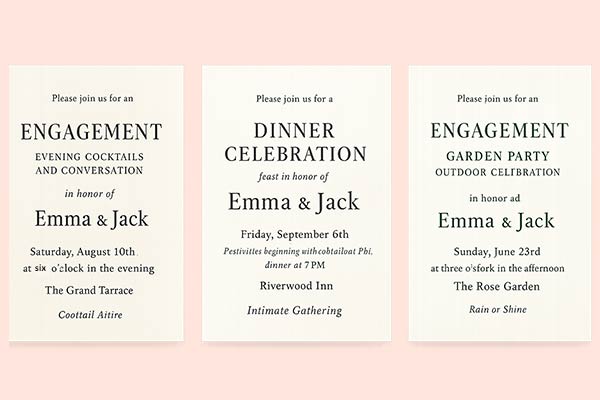
Cocktail Party and Reception Wording
Sophisticated cocktail celebrations require engagement invitation wording that conveys elegance, an adult-focused atmosphere, and upscale social interaction. These events typically feature premium beverages, appetizers, and refined entertainment that appeals to mature guest demographics. The invitation language should prepare guests for standing reception formats, networking opportunities, and stylish evening entertainment.
Formal engagement invitation wording for cocktail events often emphasizes the refined nature of the celebration while indicating appropriate attire and timing expectations. Phrases like “evening cocktails and conversation,” “sophisticated celebration,” or “elegant reception” clearly communicate the event’s upscale character. Including specific timing information helps guests understand whether this is a pre-dinner event or a full evening celebration.
Beverage-focused language can enhance cocktail party invitation wording without becoming overly specific about alcohol service. Terms like “toasting the happy couple,” “raising glasses in celebration,” or “cocktails and canapés” provide appropriate context while maintaining celebratory focus. This approach works well for both alcoholic and non-alcoholic beverage service.
Dress code specifications are particularly important for cocktail engagement parties, as guests need clear guidance for appropriate attire. Phrases like “cocktail attire,” “business formal,” or “elegant evening wear” provide specific guidance while maintaining invitation sophistication. Including these details prevents guest uncertainty and ensures everyone feels appropriately dressed for the celebration style.
Dinner Party and Intimate Gathering Wording
Dinner-focused engagement celebrations require invitation wording that emphasizes culinary experience, intimate conversation, and relaxed social interaction. These events typically feature seated dining, extended celebration timing, and closer guest interaction that allows for meaningful conversation and relationship building. The invitation language should prepare guests for a longer celebration commitment and more personal interaction styles.
Meal-focused invitation language helps guests understand the celebration’s culinary emphasis while building anticipation for the dining experience. Phrases like “dinner celebration,” “culinary celebration,” or “feast in honor of” clearly indicate that substantial food service will be provided. This information helps guests plan their day and appetite accordingly while emphasizing the celebration’s generous hospitality.
Engagement invitation samples for dinner parties often include timing information that reflects meal service schedules. Phrases like “dinner served at,” “festivities beginning with cocktails at 6 PM, dinner at 7 PM” provide clear schedule information that helps guests plan arrival and departure timing appropriately.
Intimate atmosphere language helps guests understand the celebration’s nature and prepare for closer social interaction. Terms like “intimate dinner,” “close gathering,” or “family-style celebration” indicate smaller group dynamics and more personal conversation opportunities. This preparation helps guests adjust their social expectations and interaction styles accordingly.
Outdoor and Themed Celebration Wording
Outdoor engagement celebrations require invitation wording that addresses weather considerations, venue characteristics, and activity-specific preparations. These events might include garden parties, beach celebrations, park gatherings, or backyard festivities that depend on natural settings and weather cooperation. The invitation language should prepare guests for outdoor conditions while maintaining celebration excitement.
Venue-specific language adaptation helps guests understand the celebration context and prepare appropriately for outdoor conditions. Beach celebrations might reference “seaside celebration” with suggestions for sun protection, while garden parties could mention “outdoor elegance” with backup plans for weather concerns. This preparation language demonstrates thoughtful planning while maintaining a celebration focus.
Weather considerations show practical planning while maintaining a positive celebration tone. Phrases like “rain or shine,” “outdoor celebration with indoor backup,” or “weather-appropriate attire encouraged” acknowledge practical concerns without diminishing celebration enthusiasm. Including these details shows guest consideration and thorough event planning.
Activity-based celebration descriptions help guests prepare for specific engagement activities that enhance outdoor celebrations. References to lawn games, dancing under stars, or casual outdoor dining provide context for appropriate footwear, clothing choices, and personal preparation. This information enhances guest comfort and participation in planned activities.
How Do You Handle Special Circumstances in Engagement Wording?
Special circumstances in engagement celebrations require thoughtful engagement invitation wording approaches that address unique situations with sensitivity, clarity, and appropriate etiquette. Wedding industry professionals encounter these scenarios in approximately 25% of engagement celebrations, making expertise in handling unusual circumstances essential for successful party planning. Proper wording for special situations demonstrates consideration for all parties involved while maintaining celebration focus and guest comfort.
Second Marriages and Blended Families
Mature couples entering second marriages often host engagement celebrations that differ significantly from traditional first-time announcements. These celebrations frequently emphasize partnership choice, family blending, and life experience while acknowledging the complexity of blended family dynamics. The invitation wording must balance celebration with sensitivity to previous relationships and children from earlier marriages. As you plan for your future wedding, consider reviewing our wedding invitation wording guide for continued celebration planning.
Engagement invitation card wording for second marriages typically focuses on the couple’s decision to unite their lives and families rather than traditional romantic language that might seem inappropriate for mature relationships. Phrases like “choosing to blend our families,” “uniting our lives and children,” or “celebrating our decision to marry” acknowledge the practical and emotional complexity of second-marriage commitments.
Children’s inclusion considerations play crucial roles in second-marriage engagement invitation wording. Many couples choose to acknowledge children as part of the celebration, using phrases like “along with their children,” “joining our families together,” or “with the blessing of our children.” This inclusion demonstrates family unity while acknowledging children’s important roles in the new family structure.
Sensitivity to previous relationships requires careful language choices that avoid comparisons or references to earlier marriages. The focus should remain on the current relationship and plans rather than past experiences. Professional event planners recommend emphasizing new beginnings, family growth, and a positive future outlook rather than dwelling on relationship history.
Long-Distance and Virtual Celebrations
Modern technology enables engagement celebrations that include guests who cannot attend in person, requiring invitation wording that addresses both physical and virtual attendance options. The COVID-19 pandemic accelerated virtual celebration adoption, with 38% of couples now incorporating remote attendance options for various family and logistical reasons. Proper wording ensures all guests understand their participation options and technical requirements.
Remote attendance accommodations require a clear explanation in engagement invitation wording to help virtual guests prepare for meaningful participation. Information about video platforms, login details, timing considerations, and technology requirements should be included either in the main invitation or accompanying materials. This preparation ensures smooth virtual participation and prevents technical difficulties during celebrations.
Technology platform mentions need to be specific enough for guest preparation while maintaining invitation elegance. Rather than overwhelming the main invitation with technical details, many couples include separate information cards or direct guests to wedding websites containing complete virtual attendance instructions. This approach maintains invitation aesthetics while providing necessary practical information.
Hybrid event coordination presents unique challenges for engagement invitation wording, as couples must address both in-person and virtual guests simultaneously. Language like “join us in person or virtually,” “celebrate with us from near or far,” or “we’re bringing everyone together” acknowledges different participation methods while maintaining a unified celebration feel.
Surprise Party and Special Arrangements
Surprise engagement parties require carefully crafted invitation wording that communicates the secret nature while ensuring guest cooperation and attendance. These celebrations depend entirely on guest discretion and coordination, making clear communication essential for successful surprise execution. The invitation language must convey excitement while emphasizing confidentiality requirements.
Confidentiality requirements should be prominently featured in surprise party engagement invitation wording to ensure all guests understand their role in maintaining secrecy. Phrases like “SURPRISE! Keep it secret, “Don’t tell [Names],” or “Your discretion requested.” Immediately communicate the confidential nature. Some couples use eye-catching design elements or special formatting to emphasize secrecy requirements.
Engagement invitation message for surprise parties often requires coordination details that regular celebrations don’t need. Information about arrival timing, parking arrangements, gift coordination, and emergency contact numbers helps ensure smooth surprise execution. These logistical details might be included on separate coordination cards to avoid overwhelming the main invitation.
Guest cooperation requests go beyond simple attendance to include active participation in surprise planning and execution. Language like “Help us surprise,” “Join the conspiracy,” or “Be part of the surprise” creates team spirit while emphasizing each guest’s important role in the celebration’s success. This collaborative language increases guest investment in the surprise’s success.
What Common Mistakes Should You Avoid in Engagement Invitation Wording?
Common mistakes in engagement invitation wording can diminish the impact of your celebration announcement, create guest confusion, and potentially damage relationships with poor etiquette choices. Industry research indicates that 31% of engagement invitations contain at least one significant error that affects guest experience or celebration success. Understanding these pitfalls and implementing prevention strategies ensures your invitations achieve their intended purpose while maintaining appropriate standards and guest satisfaction.
Grammar and Etiquette Errors
Spelling and punctuation mistakes in engagement invitations create negative first impressions and can undermine the celebration’s perceived importance. Common errors include misspelled guest names, incorrect venue addresses, wrong dates or times, and inconsistent formatting throughout the invitation. Professional proofreading services report that engagement invitations average 2.3 errors per invitation, with many couples overlooking mistakes due to excitement and familiarity with the content.
Proper name and title usage requires attention to traditional etiquette standards, particularly for formal celebrations. Common mistakes include incorrect honorifics (Dr., Rev., Judge), improper married name formatting, and assumptions about preferred names or titles. Always verify guest preferences and use complete, correctly spelled names throughout all invitation materials.
Traditional engagement invitation wording follows specific etiquette rules that many modern couples unknowingly violate. These include proper hosting acknowledgment, appropriate request language, correct time and date formatting, and suitable dress code specifications. Consulting etiquette resources or professional wedding planners can prevent violations that might offend traditional guests or family members. For future reference, our wedding RSVP etiquette guide provides comprehensive guidelines for your upcoming wedding invitations
Contemporary etiquette also presents challenges as social norms evolve rapidly. Issues like plus-one handling, gender-neutral language, and inclusive family structure acknowledgment require careful consideration and modern etiquette understanding. Staying current with evolving social expectations while maintaining respect for traditional guests requires balanced approaches.
Information Clarity and Completeness
Missing essential details in engagement invitation wording creates guest confusion and can significantly impact attendance rates. Common omissions include incomplete venue addresses, unclear timing information, missing RSVP deadlines, and ambiguous dress code specifications. Each missing element forces guests to seek additional information, creating an unnecessary communication burden and potential attendance barriers.
Confusing time and date formats present particular challenges in our globalized world, where guests may use different date conventions or time zone considerations. Using clear, unambiguous formatting like “Saturday, June 15th, 2025, at 6:30 PM” prevents misunderstandings. For destination celebrations or guests in different time zones, include specific time zone references or local time clarifications.
Engagement party invitation wording must provide clear RSVP instructions that specify deadlines, contact methods, and any additional information requested. Vague instructions like “please respond” without specific deadlines or contact information create planning difficulties and reduce response rates. Include multiple contact options and clear deadline dates to facilitate easy responses.
Venue information completeness extends beyond simple addresses to include parking details, accessibility information, and navigation assistance for unfamiliar locations. Guests appreciate practical details that help them plan their attendance and arrive comfortably. Consider including brief venue descriptions or website references for additional information.
Tone and Audience Mismatches
Inappropriate formality levels represent one of the most common mistakes in engagement invitation wording, occurring when celebration tone doesn’t match invitation language or guest expectations. Overly formal language for casual celebrations can seem pretentious, while too-casual wording for elegant events may appear disrespectful or unprofessional. The key lies in matching the invitation tone to actual celebration style and guest demographic expectations.
Cultural sensitivity oversights can create significant problems when engagement invitations fail to consider diverse guest backgrounds or family traditions. This might include religious references that exclude certain guests, cultural assumptions that don’t apply to all attendees, or language that inadvertently offends specific groups. Inclusive language and cultural awareness prevent alienation and demonstrate respect for all guests.
Age-appropriate language considerations become particularly important for multi-generational guest lists that include both young friends and elderly relatives. Slang, pop culture references, or contemporary expressions might confuse older guests, while overly formal language might seem stuffy to younger attendees. Finding middle-ground language that communicates effectively across age groups ensures broad understanding and appreciation.
Modern engagement invitation wording must balance contemporary expression with timeless respect for all guests. This balance requires understanding your specific guest demographics while maintaining the authentic expression of your relationship and celebration style. Testing invitation language with representatives from different guest groups can provide valuable feedback before finalizing wording choices.
How Can You Make Your Engagement Invitation Wording Memorable?
Creating memorable engagement invitation wording transforms standard announcements into keepsakes that guests treasure and remember long after the celebration ends. Research in event psychology indicates that memorable invitations increase guest excitement by 34% and contribute significantly to overall celebration success. The key lies in balancing creativity with clarity, ensuring your unique touches enhance rather than overshadow the invitation’s primary purpose. For additional inspiration, browse our collection of creative invitation wording ideas that can be adapted for engagement celebrations.

Unique Opening Lines and Hooks
Attention-grabbing introduction phrases immediately distinguish your engagement invitation from standard announcements while creating an emotional connection with recipients. Effective opening lines reflect your personality as a couple while building anticipation for the celebration ahead. The best openings feel authentic to your relationship while remaining accessible to all guests regardless of their familiarity with your love story details.
Engagement invitation samples with memorable openings often use creative approaches like storytelling elements, unexpected perspectives, or emotional hooks that immediately engage the reader’s attention. Examples might include “Once upon a time, two hearts found their perfect match,” “Plot twist: We’re getting married!” or “Breaking news: Love wins again!” These approaches work best when they genuinely reflect your communication style and relationship personality.
Emotional connection establishment through opening lines creates immediate reader investment in your celebration announcement. Phrases that acknowledge shared experiences with guests, express gratitude for relationship support, or convey genuine excitement about celebration sharing create warmth and personal connection. Examples include “With hearts full of joy and love,” “Surrounded by the love of family and friends,” or “Ready to celebrate with our favorite people.”
Question-based openings can create curiosity and engagement, particularly for couples with unique stories or celebration approaches. “Wondering what happens after ‘yes’?” or “Ready to find out what we’ve been planning?” create anticipation while inviting guests into your celebration journey. These approaches work well for surprise elements or unique celebration formats.
Memorable Closing and Call-to-Action
Warm invitation conclusions leave lasting impressions while communicating next steps for guest response and celebration participation. Effective closings balance appreciation for guest relationships with practical information about RSVP requirements and celebration details. The goal is to end on an emotional high note while ensuring guests have clear action items for their participation.
Engagement ceremony invitation wording conclusions often incorporate future-focused language that acknowledges the celebration as part of a larger journey toward marriage. Phrases like “Join us as we begin this next chapter,” “Help us celebrate the start of forever,” or “Be part of our love story” create emotional resonance while emphasizing the celebration’s significance in your relationship timeline.
Excitement-building final phrases should convey genuine enthusiasm for guest participation while maintaining an appropriate tone for your celebration style. Casual celebrations might end with “Can’t wait to party with you!” while formal events could conclude with “We look forward to celebrating with you.” The key is matching the enthusiasm level to the overall invitation tone and celebration style.
Clear next-step instructions prevent guest confusion about response requirements, attendance expectations, and celebration preparation. Include specific RSVP deadlines, contact information, and any special instructions in an easily identifiable format. Consider using different formatting or typography to highlight action items while maintaining overall invitation design coherence.
Poetic and Literary Elements
Rhyming and rhythmic language can add musicality and memorability to engagement invitation wording, particularly for couples who appreciate literary arts or creative expression. Well-crafted rhyming schemes create natural flow and make invitations more enjoyable to read while enhancing overall aesthetic appeal. However, forced rhyming can appear amateurish, so ensure natural language flow takes precedence over rhyme scheme completion.
Successful poetic elements in engagement party invitation text often use simple rhyme schemes that enhance rather than dominate the invitation’s message. Examples might include “Love is in the air, happiness everywhere,” “Hearts unite, celebration tonight,” or “Two souls as one, let the party begin.” These approaches work best when they feel natural and conversational rather than forced or overly complex.
Quote and verse incorporations allow couples to include meaningful literature, song lyrics (with proper attribution), or personal poetry that reflects their relationship values or shared interests. Popular choices include love quotes from famous authors, meaningful song lyrics, or family sayings that hold special significance. Always ensure quoted material is appropriately attributed and relevant to your celebration theme.
Metaphorical celebration descriptions can create vivid imagery while conveying the celebration’s emotional significance. Couples might reference “planting seeds of forever,” “launching our love story’s next chapter,” or “weaving our lives together.” These metaphors should enhance understanding rather than create confusion, remaining accessible to all guests while adding poetic depth.
Literary allusions work particularly well for couples with shared educational backgrounds or interests in specific authors, genres, or cultural references. However, ensure these references don’t exclude guests unfamiliar with the source material. The invitation should remain comprehensible and welcoming to all recipients while showcasing your unique personality and interests.
People Also Ask
What is the proper wording for an engagement party invitation?
Include hosts’ names, engaged couple’s full names, event details (date, time, venue), RSVP information with deadline, and match the tone to your celebration style. Use formal language like “request the honor of your presence” for formal events, or casual phrases like “join us for a celebration” for relaxed parties. Always include dress code and special instructions.
What should I write in an engagement invitation message?
Include host identification, engaged couple’s names, celebration purpose, complete event details, dress code if needed, RSVP requirements with deadline, and special instructions. Start with a warm opening, clearly state the celebration’s purpose, provide all necessary details, and end with an enthusiastic closing that shows excitement.
How formal should engagement invitation wording be?
Match formality to your celebration style and venue. Formal wording works best for evening events, upscale venues, or mixed-generation guest lists using third-person language. Casual wording suits relaxed gatherings with a conversational tone. Ensure consistency between the invitation tone and the actual celebration experience.
How do I word an engagement invitation for a surprise party?
Start with clear secrecy indicators like “SURPRISE!” Include specific confidentiality requests, coordination details for arrival and parking, and emphasize discretion importance. Use collaborative language like “Help us surprise” to create team spirit. Provide complete logistics to prevent confusion that could compromise the surprise.
What engagement invitation wording works for virtual celebrations?
Clearly explain technology requirements, platform information (Zoom, Skype), login details, timing considerations for time zones, and virtual interaction guidelines. Use inclusive language like “join us virtually” or “celebrate from anywhere.” Provide technical support contacts and mention if recordings will be made.
What cultural considerations should I include in engagement invitation wording?
Incorporate heritage traditions, use appropriate language for diverse guests, and consider bilingual invitations when needed. Research traditional phrases, consult family elders for authenticity, and include brief explanations of unfamiliar cultural elements. Balance cultural authenticity with guest accessibility to ensure everyone feels welcomed.
Frequently Asked Questions
Every engagement invitation should contain host information (who’s throwing the party), the engaged couple’s names, the celebration purpose, complete date and time, venue details with address, dress code specifications, RSVP instructions with deadline, and contact information, and any special requirements or themes.
Include parents’ names when they’re hosting or co-hosting the engagement party. Traditional wording often features parents as hosts, while modern couples may choose to host themselves. Consider family dynamics and financial contributions when making this decision.
Avoid directly mentioning gifts in engagement invitation wording. Instead, include registry information on separate inserts or direct guests to wedding websites. Phrases like “Your presence is the only present we need” are appropriate alternatives.
Casual engagement party wording can be relaxed and friendly: “Join us for burgers, beer, and celebration as we toast [Names]’s engagement! Casual dress and big appetites encouraged.” Include practical details like parking and weather contingencies.
Address plus-one information clearly by either addressing invitations to specific individuals or including “and guest” when appropriate. Avoid ambiguity by being explicit about the invitation scope to prevent misunderstandings.
For interfaith couples, choose inclusive language that respects both backgrounds or focuses on universal celebration themes. Consider separate ceremony and reception invitations if religious elements are specific to one tradition.
Conclusion
Creating perfect engagement invitation wording requires balancing personal expression with proper etiquette, ensuring your celebration announcement reflects your unique love story while providing guests with essential information. The key lies in matching your wording style to your celebration tone, audience expectations, and personal preferences while maintaining clarity and completeness in all practical details.
Implementation Framework:
- Define Your Celebration Style: Determine your party’s formality level, theme, and atmosphere to guide wording choices. Consider venue characteristics, guest demographics, timing preferences, and budget considerations when establishing your invitation tone. This foundational decision influences all subsequent wording choices and ensures consistency between invitation promises and celebration delivery.
- Choose Your Wording Approach: Select formal, casual, or personalized wording based on your celebration style and guest demographics. Review multiple examples and templates that align with your vision, considering how different approaches might be received by various guest groups. Remember that your wording choice should feel natural and authentic to your communication style as a couple.
- Draft and Review Content: Create your invitation wording draft, ensuring all essential elements are included while maintaining your chosen tone and style. Focus on clarity, completeness, and an appropriate level of detail for your guest demographic. Consider how your wording will appear in both digital and printed formats if you plan to use multiple distribution methods.
Ready to create invitation wording that perfectly captures your engagement celebration? Explore our collection of customizable engagement invitation templates and wording examples to bring your vision to life with professional design and personalized touches that reflect your unique love story and celebration style.
Reference
- “Wedding invitation,” Wikipedia. Last updated recently; retrieved July 7, 2025.